
Invasive Species Removal in Northern Kentucky — Honeysuckle & Brush Clearing
Eliminate honeysuckle, multiflora rose, and other invasive plants destroying your property throughout Northern Kentucky and the Tri-State area.
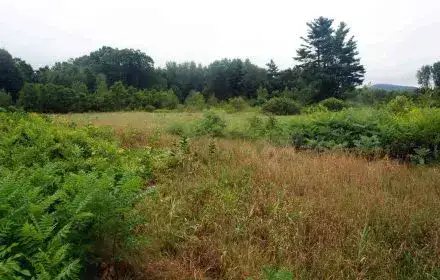
Invasive species removal is the process of eliminating non-native, aggressive plants — such as bush honeysuckle, multiflora rose, autumn olive, and Bradford pear — that outcompete native vegetation, destroy wildlife habitat, and reduce property values across Northern Kentucky and the Greater Cincinnati region.
Invasive species removal in Northern Kentucky eliminates honeysuckle, multiflora rose, autumn olive, Bradford pear, and other aggressive plants using forestry mulching. Professional removal costs $150–$500 per hour or $1,500–$5,000 per acre. Equipment grinds invasive plants and root crowns below grade, and the mulch layer suppresses regrowth while native species recover.
Invasive Plants Are Taking Over Northern Kentucky
Bush honeysuckle, multiflora rose, autumn olive, Bradford pear, and other invasive species are choking out native vegetation across Northern Kentucky, Greater Cincinnati, and Southeast Indiana. These aggressive plants spread rapidly, forming impenetrable thickets that destroy wildlife habitat, reduce property values, and crowd out the native trees and plants that belong here. EarthWorx Land Management provides large-scale invasive species removal using forestry mulching equipment. We don't just trim the problem—we eradicate it. Our equipment grinds invasive plants, roots and all, into mulch that suppresses regrowth while allowing native species to recover.

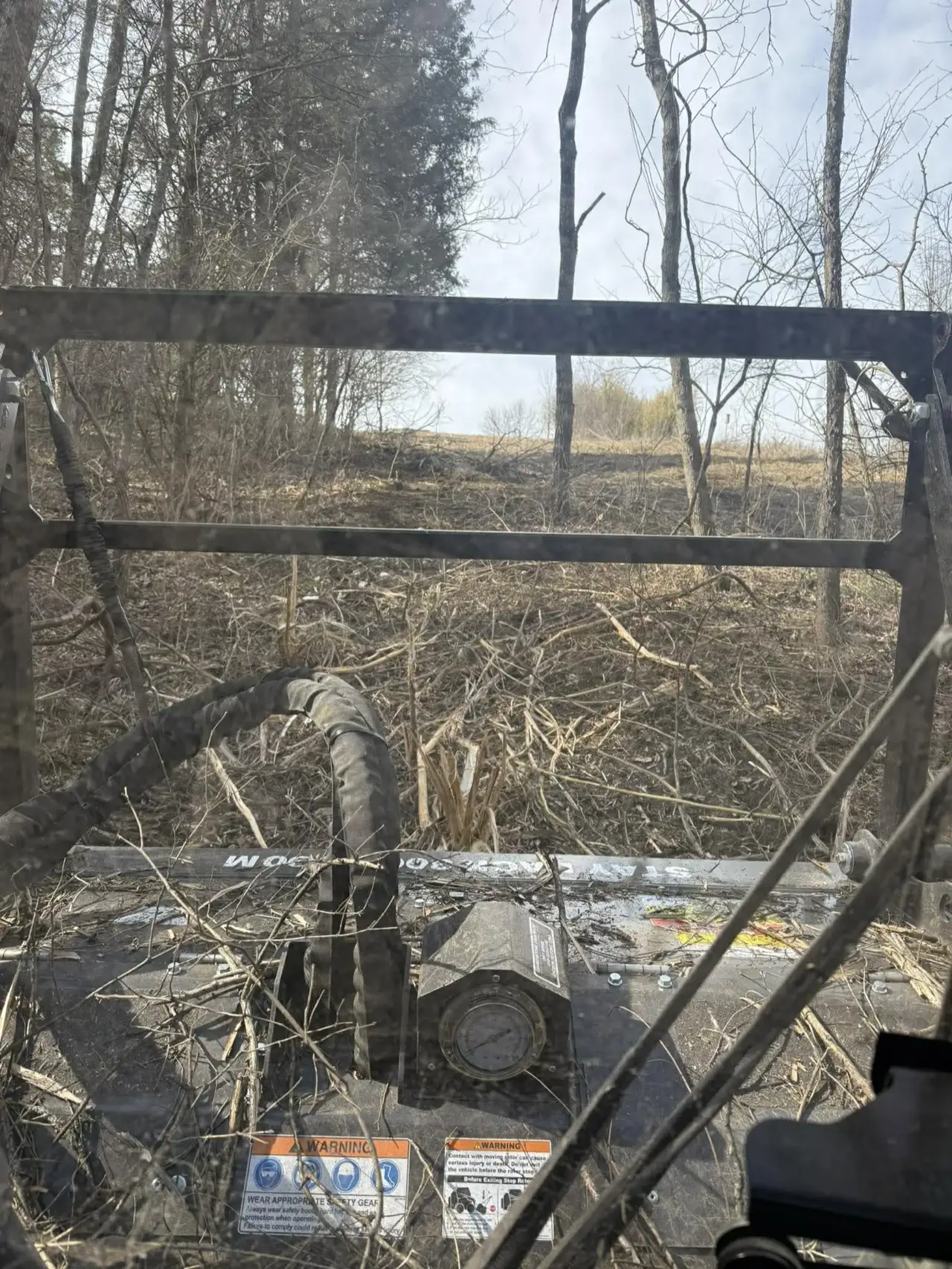
If you own land in Northern Kentucky, you have invasive species. That is not a maybe. Bush honeysuckle and multiflora rose are on every property we have ever walked. The question is how bad it has gotten. Some places have a few patches along the fence line. Others are completely swallowed — you cannot even see the ground. We clear it all and the mulch layer actually slows it from coming right back.
Bush honeysuckle is the number one invasive species problem in Northern Kentucky. Originally introduced as an ornamental plant and for erosion control, it has escaped cultivation and now dominates the understory of forests, parks, and residential properties across the region. Honeysuckle forms dense thickets that block sunlight from reaching the ground, preventing native wildflowers, grasses, and tree seedlings from growing. It leafs out earlier and holds its leaves later than native plants, giving it a competitive advantage in every season.
Other problematic invasive species in the Northern Kentucky and Cincinnati area include multiflora rose (thorny, impenetrable thickets along fence rows and woodland edges), autumn olive (fast-spreading shrub that crowds out native understory), Bradford pear (escaped ornamental that is now colonizing fields and roadsides), and Japanese knotweed (aggressive spreader that damages foundations and infrastructure). Our forestry mulching equipment handles all of these species, grinding them into mulch that smothers regrowth.
Effective invasive species removal requires more than just cutting — the root crowns must be processed to prevent resprouting. Our forestry mulching equipment grinds stumps and root crowns below grade, which significantly reduces regrowth compared to hand cutting or mowing. For maximum effectiveness, we recommend a follow-up monitoring visit during the first growing season after removal to spot-treat any survivors before they can re-establish. This two-phase approach gives the best long-term results.
Common Uses for Invasive Species Removal
- ✓Bush honeysuckle removal
- ✓Multiflora rose clearing
- ✓Bradford pear and autumn olive removal
- ✓Japanese knotweed management
- ✓Woodland invasive species control
- ✓Property restoration after invasive takeover
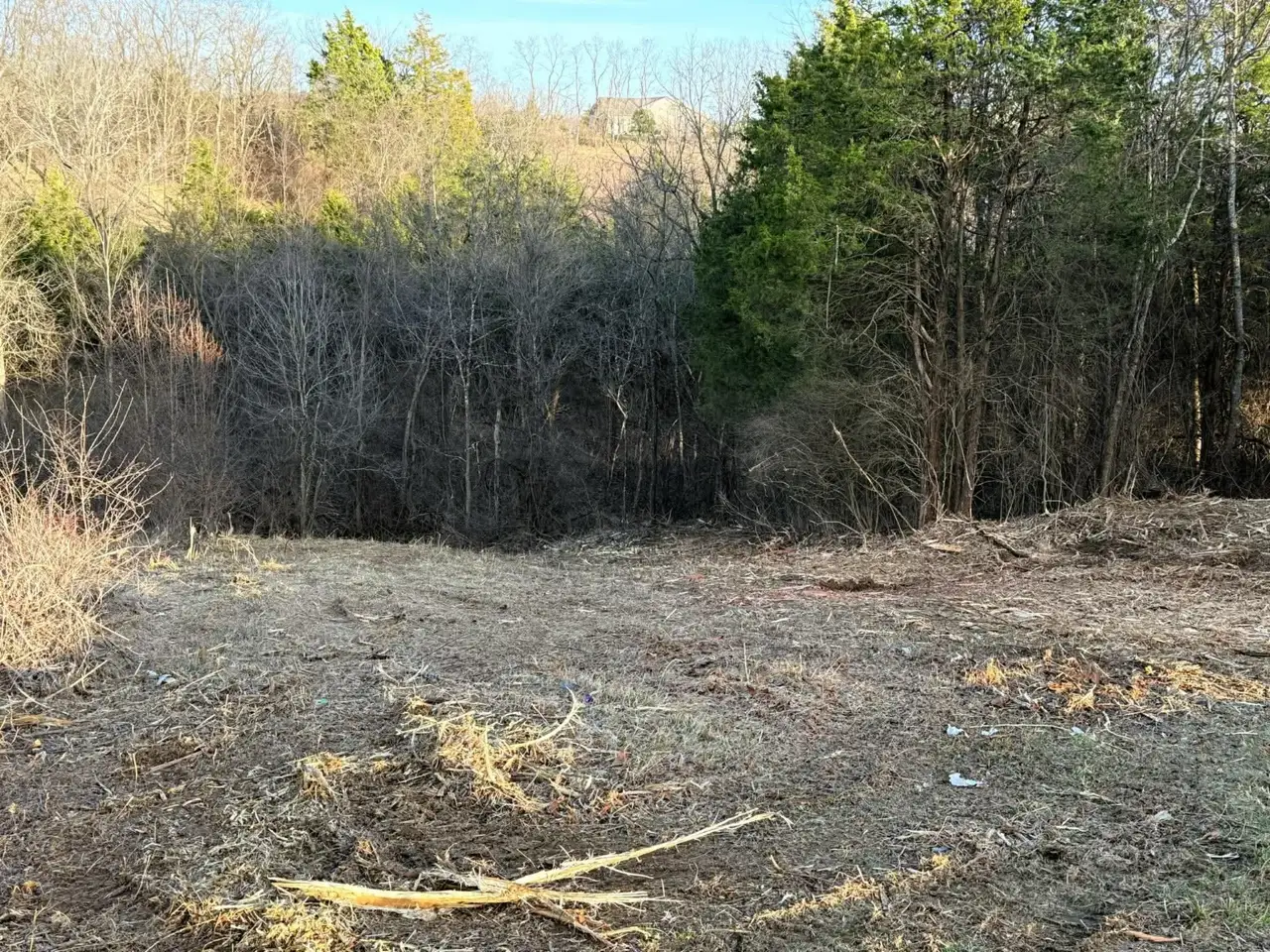
Why Choose Invasive Species Removal
Large-Scale Removal
Our forestry mulching equipment handles acres of invasive species in hours—work that would take hand crews weeks to accomplish.
Below-Ground Processing
We grind stumps and root crowns below grade, which is critical for preventing regrowth from species like honeysuckle and multiflora rose.
Native Habitat Recovery
Removing invasive species allows native trees, wildflowers, and grasses to return. The mulch layer protects the soil while native plants reestablish.
Property Value Protection
Invasive species reduce property values and can spread to neighboring properties. Removal protects your investment and your relationship with neighbors.
Our Invasive Species Removal Process
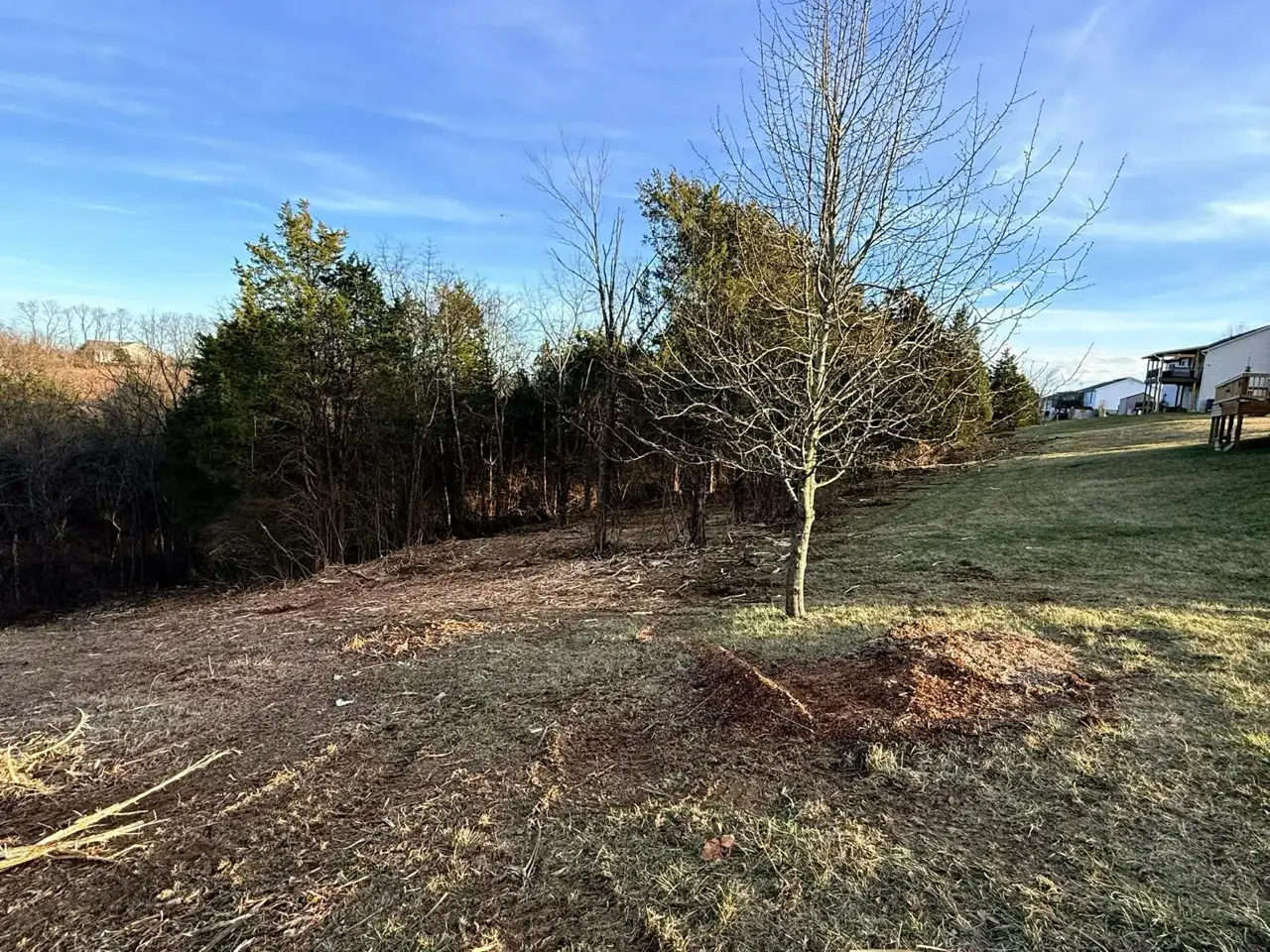
We identify the invasive species present, map the extent of infestation, and develop a removal plan prioritizing the most critical areas.
Our forestry mulching equipment systematically removes invasive plants, grinding them into mulch that suppresses regrowth.
We recommend a follow-up monitoring and maintenance plan to prevent reinfestation and support native species recovery.
Typical cost: $150–$500 per hour
Exact pricing depends on your property. We provide free on-site estimates.
Invasive Species Removal FAQ
Common questions about invasive species removal in Northern Kentucky and Cincinnati.
We commonly remove bush honeysuckle (the biggest problem in Northern Kentucky), multiflora rose, autumn olive, Bradford pear, Japanese knotweed, and other woody invasive species. Our forestry mulching equipment handles any woody plant up to 8 inches in diameter.
Some regrowth is possible, especially with species like honeysuckle that can sprout from roots. However, our below-grade grinding significantly reduces regrowth. We recommend follow-up spot treatment in the first growing season to catch any survivors.
Costs typically range from $150–$500 per hour or $1,500–$5,000 per acre depending on the density and type of invasive species. Dense honeysuckle thickets require more time than scattered autumn olive. We provide free on-site estimates.
Forestry mulching can be done year-round, but late fall through early spring is often ideal. The leaves are off deciduous invasives making them easier to identify among native species, and the frozen or dry ground minimizes soil disturbance.
Related Services
Related Articles
How to Get Rid of Honeysuckle in Northern Kentucky
Amur honeysuckle has taken over most of Northern Kentucky. Here is what actually works to remove it and what just wastes your time.
7 min read readInvasive Plants Taking Over Northern Kentucky Properties
Five invasive species are taking over Northern Kentucky. Here is how to identify them, why they spread so fast, and what actually kills them.
8 min read readAutumn Olive Removal: Getting Rid of Northern Kentucky's Worst Invader
Autumn olive is the single most aggressive invasive shrub in Northern Kentucky. Here is what actually works to get rid of it and what just wastes your time.
7 min read readWhere We Offer Invasive Species Removal
Ready for Invasive Species Removal?
Get a free, no-obligation estimate for your invasive species removal project.
Try our cost calculator · Serving Northern Kentucky, Greater Cincinnati, and Southeast Indiana · 24/7 — Emergency Service Available