
When Is the Best Time to Clear Land in Kentucky?
A month-by-month look at when to schedule land clearing in Kentucky, based on ground conditions, vegetation, wildlife, and equipment availability.
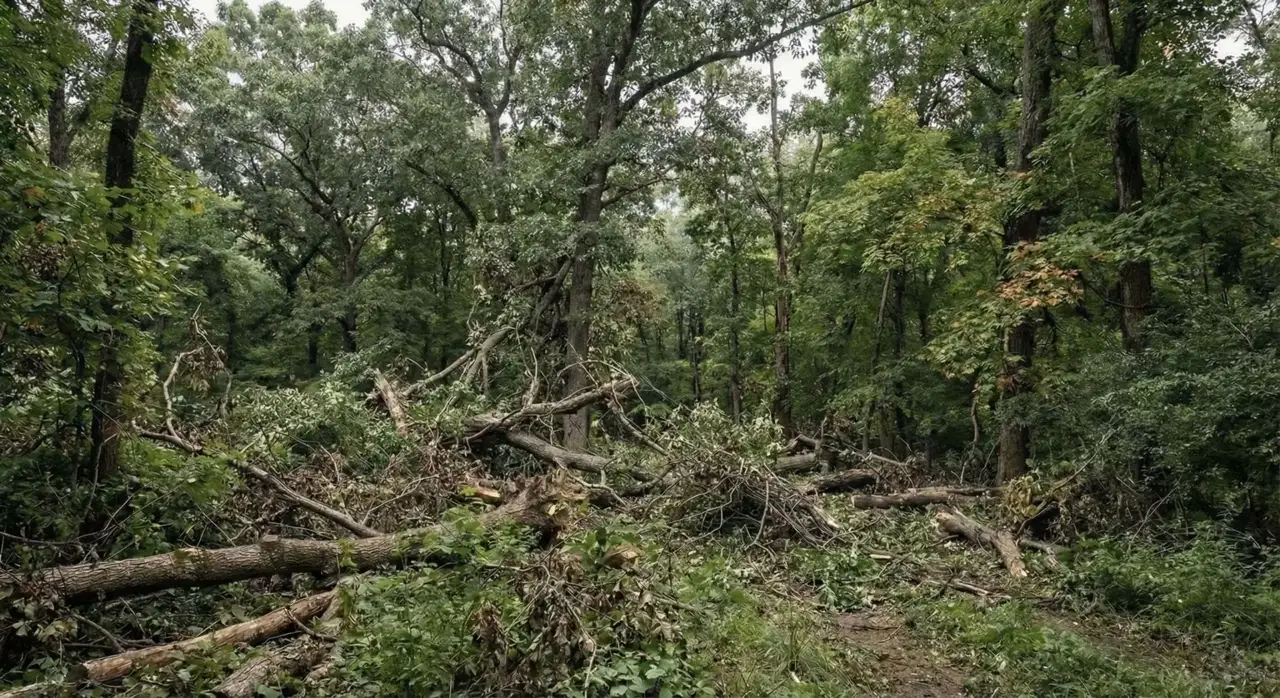
The best time to clear land in Kentucky is late fall through early spring — November through March. Vegetation is dormant, the ground is firm or frozen, leaves are down so operators can see what they are cutting, and there are no nesting birds to worry about. Winter is also the easiest time to schedule because demand is lower.
Short Answer: Late Fall Through Early Spring
If you have flexibility on timing, schedule your land clearing between November and March. That is the window when conditions in Kentucky line up best for clearing work. Vegetation is dormant, the ground is hard, and you can actually see the lay of the land without a canopy of leaves blocking the view.
But people clear land in every month of the year. We work year-round. So the real question is not just "when is best" but "what are the trade-offs in each season?" Let me walk through the year.
Month-by-Month Breakdown
January
Conditions: Cold. Ground is often frozen, which is excellent for equipment work. Zero rutting on frozen clay. Vegetation is completely dormant. Visibility through the woods is as good as it gets all year. Snow cover is occasional but rarely deep enough to stop work.
Pros: Best ground conditions of the year on clay soils. No leaves means the operator sees every stem and obstacle. Scheduling is wide open — we are at our slowest. Snakes are dormant, which matters more than most people think.
Cons: Short daylight. We lose an hour or two of work time compared to summer. Very cold days (below 15 to 20 degrees) can be hard on equipment hydraulics. Occasional ice storms shut down work for a day or two.
Our take: January is one of the best months to clear land in Kentucky. We do some of our best land clearing work in January. If your project can happen in January, schedule it.
February
Conditions: Transitional. Freeze-thaw cycles start. Ground can be frozen in the morning and soft by afternoon. By late February, the first warm stretches hit and the ground starts softening. Vegetation is still fully dormant.
Pros: Still good ground conditions on most days. Visibility is excellent. Scheduling is available. The days are getting noticeably longer.
Cons: Unpredictable conditions. A week of 50-degree weather followed by rain can turn clay into a mess. We sometimes have to wait a few days for the ground to firm back up.
Our take: February is good but requires more weather-watching than January. The last two weeks can be tricky. We schedule aggressively in early February and stay flexible late in the month.
March
Conditions: Spring is arriving. Early March often has firm ground from winter. By mid to late March, spring rain starts and the ground softens. Vegetation begins to wake up — buds swell, honeysuckle starts leafing out, grass greens up in the last week or two.
Pros: Longer days mean more work hours. Ground is still workable in the first half of the month. Last chance to target invasive species before they blend in with native growth. Good transition month for projects that need to be done before construction season.
Cons: Ground conditions deteriorate as the month goes on. Rain events become more frequent. By late March, leaf-out begins and visibility drops.
Our take: Early March is great. Late March is a gamble depending on rainfall. If you are trying to get work done before a spring build, March is your last comfortable window.
April
Conditions: Full spring. Rain is regular and sometimes heavy. Clay soils are at their wettest. Vegetation is growing aggressively. Leaves are filling in. Allergies are real.
Pros: Long days. Warm temperatures are comfortable for crews. Demand is building but has not peaked yet.
Cons: Wet ground is the primary problem. We lose workdays to rain and soft conditions more in April than any other month. Equipment ruts on saturated clay are ugly and expensive to fix. Nesting bird season begins mid-April, which matters near waterways and protected areas.
Our take: April works if the weather cooperates and the site drains well. Sandy or gravelly soils are fine. Heavy clay in bottomland — we might be waiting for dry windows. This is the month where scheduling gets unpredictable.
May
Conditions: Peak growing season is underway. Everything is leafed out. The undergrowth is dense and getting denser by the day. Ground conditions vary — some years May is wet, some years it firms up nicely.
Pros: Long days and warm weather mean maximum productivity on accessible days. Demand is high, which means more crews are operating.
Cons: Visibility is poor — full leaf cover hides obstacles. Active nesting season for birds. Ticks and poison ivy are at peak. We are heavily booked through May and scheduling 3 to 4 weeks out. Vegetation that gets mulched in May starts regrowing immediately in the warm soil.
Our take: If it has to be done in May, we can do it. But it is not ideal. You are paying to fight the growing season. Everything takes a bit longer because the operator cannot see as well through the foliage.
June
Conditions: Summer heat arrives. Vegetation is at full growth. Ground is usually firm unless there is extended rain. Thunderstorms are common but typically pass quickly.
Pros: Long days — dawn to dusk work is possible. Ground has usually dried out from spring. Good for larger projects where you need consecutive work days.
Cons: Heat. Crews start early and may shut down by 2pm on the hottest days. Everything is hidden under full leaf cover. Ticks, chiggers, and poison ivy are unavoidable. Peak demand means booking weeks ahead.
Our take: June is workable and we do a lot of clearing in June. The heat is the biggest limitation. If you are okay with the crew starting at 6am and wrapping by early afternoon, the work gets done. Just know that full leaf cover means surprises — there is always something nobody could see until the machine was on it.
July and August
Conditions: Hottest months. Drought stress is possible, which actually helps — dry ground and stressed vegetation are easier to work with than wet ground and lush growth. Thunderstorms can saturate the ground briefly.
Pros: If it is a dry summer, ground conditions are excellent. Drought-stressed vegetation is easier to mulch. Some invasive species are less vigorous in extreme heat.
Cons: Heat is the dominant factor. Work hours are limited. Heat-related equipment issues are more common (hydraulic overheating, increased fuel consumption). Visibility is poor. Snake encounters increase — copperheads are active and hard to see in tall vegetation.
Our take: July and August clearing works fine if the heat does not bother you and the timeline requires it. Cost per acre may be slightly higher because of reduced daily productivity. The good news is that demand softens a bit as the summer drags on, so scheduling is slightly easier than May and June.
September
Conditions: Transitional. Heat starts to break. Rain varies year to year. Vegetation is still full but growth has slowed. Fall colors have not started yet.
Pros: More comfortable temperatures. Ground is usually firm from summer. Nesting season is ending. Good month for larger projects.
Cons: Still full leaf cover until late in the month. Scheduling is busy as fall projects ramp up.
Our take: September is a solid clearing month. Probably the best summer-side option. Temperatures are reasonable, the ground is typically good, and the days are still long enough for productive work.
October
Conditions: Leaves start dropping. Temperatures are cool. Ground is generally firm unless fall rain comes early. Visibility is improving daily as the canopy thins.
Pros: Excellent working conditions. Comfortable temperatures for crews and equipment. Visibility is getting better every week. Frost starts killing some undergrowth.
Cons: Demand picks back up as people try to get projects done before winter. Some years, early fall rain creates soft conditions.
Our take: October is one of the best months to clear land. The conditions are genuinely good in almost every way. We encourage people to schedule October work in August to make sure they get a spot.
November
Conditions: Leaves are down by mid-month. First hard frosts. Ground begins to firm up as temperatures drop. Vegetation is going dormant.
Pros: Visibility is excellent once the leaves drop. Ground is firming. Invasive honeysuckle is still green and easy to identify against bare native trees. Scheduling opens up as fair-weather customers wrap up for the year.
Cons: Shorter days limit work hours. Occasional cold rain makes conditions unpleasant. Deer hunting season starts (rifle season in November), which can limit access on rural properties.
Our take: November is the start of our preferred clearing window. The combination of good visibility, firming ground, and identifiable invasive species makes it excellent for most projects. Deer season is the only complication — we coordinate with landowners on hunting schedules.
December
Conditions: Cold. Ground is freezing. Snow is possible but rarely heavy. All deciduous vegetation is fully dormant. Shortest days of the year.
Pros: Frozen ground means zero rutting. Excellent visibility. Dormant vegetation means less regrowth pressure. Scheduling is the most open of the entire year.
Cons: Short days — maybe 8 hours of good daylight. Cold is uncomfortable for crews. Equipment needs more warm-up time. Holiday schedules reduce available workdays.
Our take: December is great if you can work around the holidays and short days. We have done some of our cleanest mulching jobs in December. The frozen ground is a genuine advantage on clay-heavy properties.
The Bottom Line Calendar
| Timeframe | Rating | Ground | Visibility | Scheduling |
|---|---|---|---|---|
| Nov–Feb | Best | Firm/frozen | Excellent | Wide open |
| March | Very good | Firm early, softening late | Good to moderate | Available |
| April | Variable | Often wet | Moderate | Filling up |
| May–June | Workable | Variable | Poor (full leaf) | 3–4 weeks out |
| July–Aug | Workable | Dry, good | Poor | 2–3 weeks out |
| Sept–Oct | Very good | Firm | Improving | Filling up |
Special Considerations
Nesting birds: If your property is near water or has significant woodland, avoid clearing from mid-April through July if possible. The Migratory Bird Treaty Act protects active nests. We are not required to do a nest survey for standard land clearing, but we do watch for active nests and work around them.
Wet spring = stuck equipment: Kentucky springs can be brutally wet. In 2023, we had a three-week stretch in April where we could not get equipment onto any clay site. The entire schedule shifted by a month. If your project has a hard deadline, plan for weather delays.
Construction timelines: If you are clearing for a spring build, get the clearing done in January or February. Our lot clearing checklist covers the full pre-construction sequence. Waiting until March creates risk that rain delays push into your construction start date. Builders in Northern Kentucky have learned this the hard way.
Prescribed burns: Some landowners combine clearing with prescribed burning (burning off debris after cutting). Burns are only legal during burn season in Kentucky (October 1 through April 30, with county-specific restrictions). If burning is part of your plan, timing matters.
Getting Started
The best time to clear land in Kentucky is November through March. The second-best time is whatever month you can actually schedule it. Do not let perfect timing stop you from getting the work done. We clear land year-round, and we will give you an honest assessment of conditions for whatever month you are looking at.
Call (859) 710-6107 or request a free estimate online. We will tell you exactly what your project needs and when it makes the most sense to do it.
Related Services
We Serve These Areas
When Is the Best Time to Clear Land in Kentucky? FAQ
January and February are the best individual months for land clearing in Kentucky. The ground is frozen (preventing rutting on clay), vegetation is fully dormant, visibility is excellent with no leaves, and contractor scheduling is wide open. November and December are also excellent.
Yes, land clearing is possible year-round in Kentucky. Summer clearing has trade-offs: heat limits work hours, full leaf cover reduces operator visibility, and wet conditions after thunderstorms can create access problems. Costs may be slightly higher due to reduced daily productivity.
Winter offers frozen ground (no rutting on clay soil), dormant vegetation (less regrowth pressure), excellent visibility (no leaves), dormant snakes, no active bird nests, and the most open contractor schedules. The combination of these factors makes winter clearing more efficient and often less expensive.
Land clearing is legal during nesting season (mid-April through July) for standard projects. However, the Migratory Bird Treaty Act protects active nests. Responsible contractors watch for and work around active nests. Where possible, we recommend scheduling clearing outside nesting season.
During peak season (March through June), schedule 3 to 4 weeks in advance. During fall, 2 to 3 weeks. During winter (November through February), we can often schedule within 1 to 2 weeks. For projects with hard deadlines — like clearing before a spring build — book at least a month early.
Yes. Kentucky clay soils become saturated after heavy rain and cannot support heavy equipment without creating deep ruts. We monitor weather and will reschedule rather than damage your property. Spring is the most affected season, with April being the wettest month on average. Plan for 1 to 2 weeks of weather delays during spring projects.
Ready to Get Started?
Free on-site estimates for all properties in our service area.
Ready to Clear Your Land?
Get a free, no-obligation estimate for your project. We respond fast and show up on time.
Try our cost calculator · Serving Northern Kentucky, Greater Cincinnati, and Southeast Indiana · 24/7 — Emergency Service Available