
Commercial Lot Clearing: Meeting City Code and Site Plan Requirements
Commercial clearing is not just about cutting trees. Zoning requirements, stormwater plans, tree preservation rules, and site engineer specs all dictate how the job gets done.
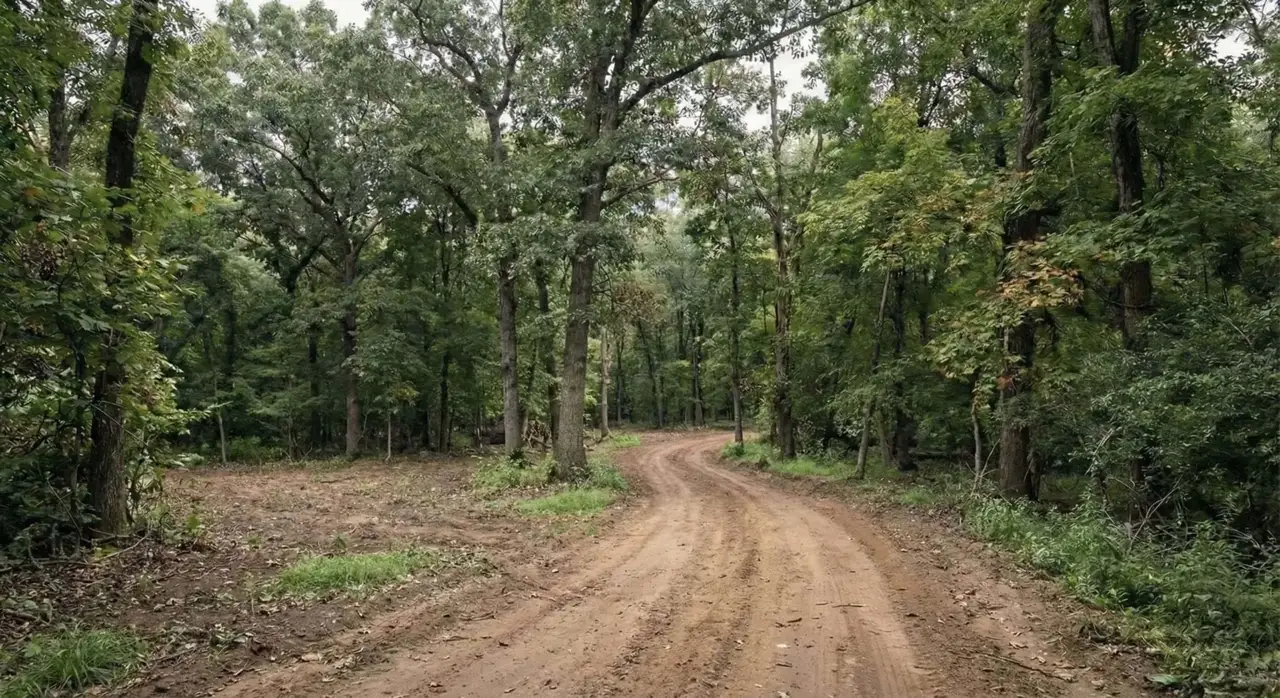
Commercial lot clearing must comply with local zoning codes, approved site plans, stormwater management requirements, and tree preservation ordinances. In Northern Kentucky and Greater Cincinnati, this typically means clearing to engineer-specified grades, preserving designated trees, managing erosion during construction, and meeting stormwater detention requirements. Cost runs $3,000 to $8,000+ per acre depending on scope and site plan specifications.
Commercial Clearing Is a Different Animal
Clearing a commercial lot is not the same as clearing a residential backyard. When a builder, developer, or business owner calls about clearing a commercial parcel, the conversation starts differently than a homeowner call. Instead of "how much to clear my back two acres?" it is "here is the site plan, here is the grading plan, here is the tree survey, and we need the clearing done by this date to stay on the construction schedule."
Commercial jobs have more stakeholders, more paperwork, and more rules. The city or county planning commission has approved a site plan that specifies exactly what gets cleared and what does not. The project engineer has grading specifications that the cleared site needs to meet. The stormwater management plan dictates what happens to runoff during and after construction. And tree preservation ordinances may require you to protect specific trees while clearing everything around them.
We do commercial clearing work across Florence, Cincinnati, and the surrounding area. Here is what builders and developers need to know about how the process works.
Zoning and Site Plan Requirements
Every commercial development starts with a site plan approved by the local planning commission. That site plan is the blueprint for the entire project, and the clearing contractor needs to understand it before touching the property.
The site plan typically shows:
- Building footprint and setbacks: Where the structure goes and how far it must be from property lines.
- Parking areas and drives: Impervious surface layout that affects stormwater calculations.
- Utility easements: Areas where underground utilities exist or will be installed. These may restrict what equipment can operate where.
- Buffer zones and landscaping areas: Perimeter areas that must remain vegetated or be replanted after construction.
- Tree preservation zones: Specific trees or groups of trees flagged for protection.
- Stormwater management features: Detention basins, bioswales, or underground retention systems.
We get the site plan before we quote the job. Every commercial clearing estimate starts with us reviewing the plan and understanding what stays and what goes. Clearing areas that were supposed to be preserved is an expensive mistake that can delay the project and trigger plan modifications.
Stormwater Management
Stormwater is the single biggest regulatory consideration on commercial clearing projects. Converting vegetated land to impervious surface (buildings, parking lots, drives) changes how water moves across the site. More runoff, faster peak flows, and more sediment during construction.
During Construction
Any land disturbance over one acre in Kentucky requires a KPDES construction stormwater permit. This permit requires a Stormwater Pollution Prevention Plan (SWPPP) that details erosion and sediment control measures. The clearing contractor is typically responsible for initial erosion control installation.
Standard erosion control measures on a commercial clearing site include:
- Silt fence along the downhill perimeter of the clearing area
- Construction entrance with stone pad to prevent tracking mud onto public roads
- Sediment basin or trap at the low point of the site to capture runoff
- Inlet protection around any storm drains on or adjacent to the property
- Stabilization of any area that will remain exposed for more than 14 days
These measures need to be in place before or immediately after clearing. On most commercial jobs, we install silt fence and construction entrance as part of the clearing scope. The sediment basin and other features are usually part of the earthwork contractor's scope that follows.
After Construction
The site plan includes a stormwater management system designed to handle runoff from the completed project. Detention basins, underground chambers, or bioretention cells are sized by the engineer based on impervious surface area and local drainage requirements. The clearing contractor does not design these systems, but we need to know where they are going so we do not clear areas designated for stormwater features in a way that conflicts with their construction.
Tree Preservation Ordinances
Many cities and counties in the Cincinnati and Northern Kentucky metro area have tree preservation ordinances that apply to commercial development. These ordinances vary by jurisdiction, but the common elements include:
- Tree survey requirement: Before any clearing, a certified arborist must survey the site and catalog all trees above a minimum diameter (usually 6 to 8 inches DBH).
- Protected species: Some ordinances give extra protection to certain native species like white oak, sugar maple, and tulip poplar.
- Preservation percentage: The ordinance may require that a certain percentage of existing trees be preserved, or that a minimum number of caliper inches be retained on site.
- Replacement ratios: Trees that cannot be preserved must be replaced at a specified ratio, often 1:1 or 2:1, either on site or through a payment into a tree fund.
- Protection during construction: Preserved trees must have fencing at the drip line to prevent root compaction from equipment.
Florence, Kentucky, for example, requires a tree preservation plan as part of commercial site plan approval. The plan identifies which trees are preserved and which are removed. The clearing contractor is responsible for installing tree protection fencing before any equipment enters the site and maintaining it throughout the clearing and grading phases.
We take tree preservation seriously on commercial jobs. A preserved tree that gets damaged during clearing is the clearing contractor's liability. We install protection fencing ourselves, mark the boundaries clearly, and brief every operator on which trees are protected.
Grading Specifications
On residential clearing jobs, we leave the ground as-is after mulching. On commercial jobs, the cleared surface often needs to match specific grades.
The grading plan shows finished elevations across the site. The difference between existing grade and finished grade determines how much cut and fill is needed. Our role as the clearing contractor is to remove the vegetation and prepare the surface for the earthwork crew that follows.
What the earthwork contractor needs from us:
- Stumps removed below grade in building pad areas. Our mulcher grinds stumps flush with the ground, which is fine for parking areas and landscape zones but not for building pads. Building pad areas may need dedicated stump grinding 12 to 18 inches below grade.
- No debris left in fill areas. Wood debris buried in fill material decomposes over time and creates voids that cause settling. This is a structural concern for buildings and paved surfaces.
- Mulch layer managed appropriately. In areas that will be graded and compacted, the mulch layer from forestry mulching may need to be scraped or mixed into the soil rather than left on the surface. Organic material in a compacted subgrade decomposes and causes settling.
- Utility corridors cleared to full width. Underground utility installation requires trench access. The cleared corridor needs to be wide enough for the trenching equipment plus spoil storage.
Utility Easement Clearing
Commercial sites almost always have utility easements. Electric, gas, water, sewer, and telecommunications all have designated corridors. These easements are shown on the site plan and typically recorded in the property deed.
Clearing within a utility easement has specific rules:
- Call 811 before clearing. Underground utility locates are mandatory. This is not optional and it is not something we skip even if we think we know where the lines are. Buried utilities that are not where they are supposed to be are common on older parcels.
- Overhead lines. If the easement has overhead power lines, the mulcher needs to maintain safe clearance. Our machine cannot operate directly under low-hanging lines. The utility company may need to raise or temporarily de-energize lines.
- No permanent structures in easements. The cleared easement area remains accessible for future utility maintenance. Stumps should be ground below grade so they do not interfere with future excavation.
Working with Site Engineers
On commercial projects, the site engineer is the authority. They designed the site plan, the grading plan, and the stormwater plan. They know what the end product needs to look like, and they are the ones who inspect the work.
What makes for a good working relationship between the clearing contractor and the site engineer:
- Get the plans early. We want the full plan set before we bid the job, not a verbal summary. Details matter.
- Walk the site together. If the engineer can be on-site for a pre-clearing walk, ambiguities get resolved before the machine starts instead of after.
- Flag boundaries clearly. Tree preservation zones, buffer areas, and clearing limits get flagged with ribbon or paint before work starts. Everyone on site needs to see the same boundaries.
- Communicate changes. If conditions on the ground do not match the plan (rock where none was expected, a drainage issue not shown on the survey), we stop and call the engineer before making judgment calls.
What Builders Need from the Clearing Contractor
Builders who work with us regularly value these things:
- Schedule reliability. If we say Tuesday, we are there Tuesday. Commercial construction schedules are tight and every trade depends on the one before it.
- Clean boundaries. What was supposed to be cleared is cleared. What was supposed to remain is untouched. No gray areas.
- Erosion control installed. Silt fence and construction entrance in place before we leave so the site passes inspection.
- Documentation. Before and after photos, equipment logs, and any waste manifests if material was hauled off-site.
- Coordination. We call ahead if weather delays us. We let the GC know when we will be done so the next trade can mobilize.
Cost for Commercial Lot Clearing
| Site Type | Typical Cost Per Acre | Notes |
|---|---|---|
| Light vegetation (brush and small trees) | $3,000-$5,000 | Includes erosion control setup |
| Moderate vegetation with tree preservation | $4,000-$6,000 | Tree protection fencing included |
| Heavy timber with grading prep | $5,000-$8,000+ | May need pre-cut for large trees |
| Utility easement clearing (per 1,000 LF) | $2,000-$4,000 | Width and vegetation dependent |
Commercial clearing costs more per acre than residential because of the additional requirements: erosion control, tree protection, stump removal below grade in building areas, plan review time, and coordination with the project team. The base mulching work is the same, but the overhead is higher.
EarthWorx handles commercial lot clearing for builders and developers across Florence, Greater Cincinnati, and the Northern Kentucky region. We understand the plan review process, work within site engineer specifications, and deliver cleared sites that pass inspection the first time.
Related Services
We Serve These Areas
Commercial Lot Clearing: Meeting City Code and Site Plan Requirements FAQ
You need an approved site plan from the local planning commission, a KPDES construction stormwater permit for disturbances over one acre, and potentially a tree removal permit depending on local ordinances. Wetland or stream impacts may require additional Army Corps Section 404 permits.
Many Northern Kentucky and Cincinnati-area municipalities require a tree survey by a certified arborist before commercial clearing. The survey catalogs all trees above a minimum diameter and identifies which must be preserved and which can be removed per the tree preservation ordinance.
Commercial lot clearing in the Northern Kentucky and Greater Cincinnati area runs $3,000 to $8,000+ per acre depending on vegetation density, tree preservation requirements, grading prep needs, and erosion control scope. This is higher than residential clearing due to additional regulatory and coordination requirements.
A Stormwater Pollution Prevention Plan (SWPPP) is required for any land disturbance over one acre in Kentucky. It details erosion and sediment control measures to prevent polluted runoff from leaving the construction site. Your site engineer typically prepares the SWPPP as part of the permitting package.
Forestry mulching clears vegetation and grinds stumps to ground level, which is suitable for parking areas and landscape zones. Building pad areas typically need additional stump grinding below grade, and the mulch layer may need to be scraped in areas requiring compacted subgrade.
Ready to Get Started?
Free on-site estimates for all properties in our service area.
Ready to Clear Your Land?
Get a free, no-obligation estimate for your project. We respond fast and show up on time.
Try our cost calculator · Serving Northern Kentucky, Greater Cincinnati, and Southeast Indiana · 24/7 — Emergency Service Available