
How to Maintain Cleared Land So It Doesn't Grow Back
The number one question we get after every job: how do I keep it from growing back? Here is the honest answer, including the methods that work and the timeline it takes.
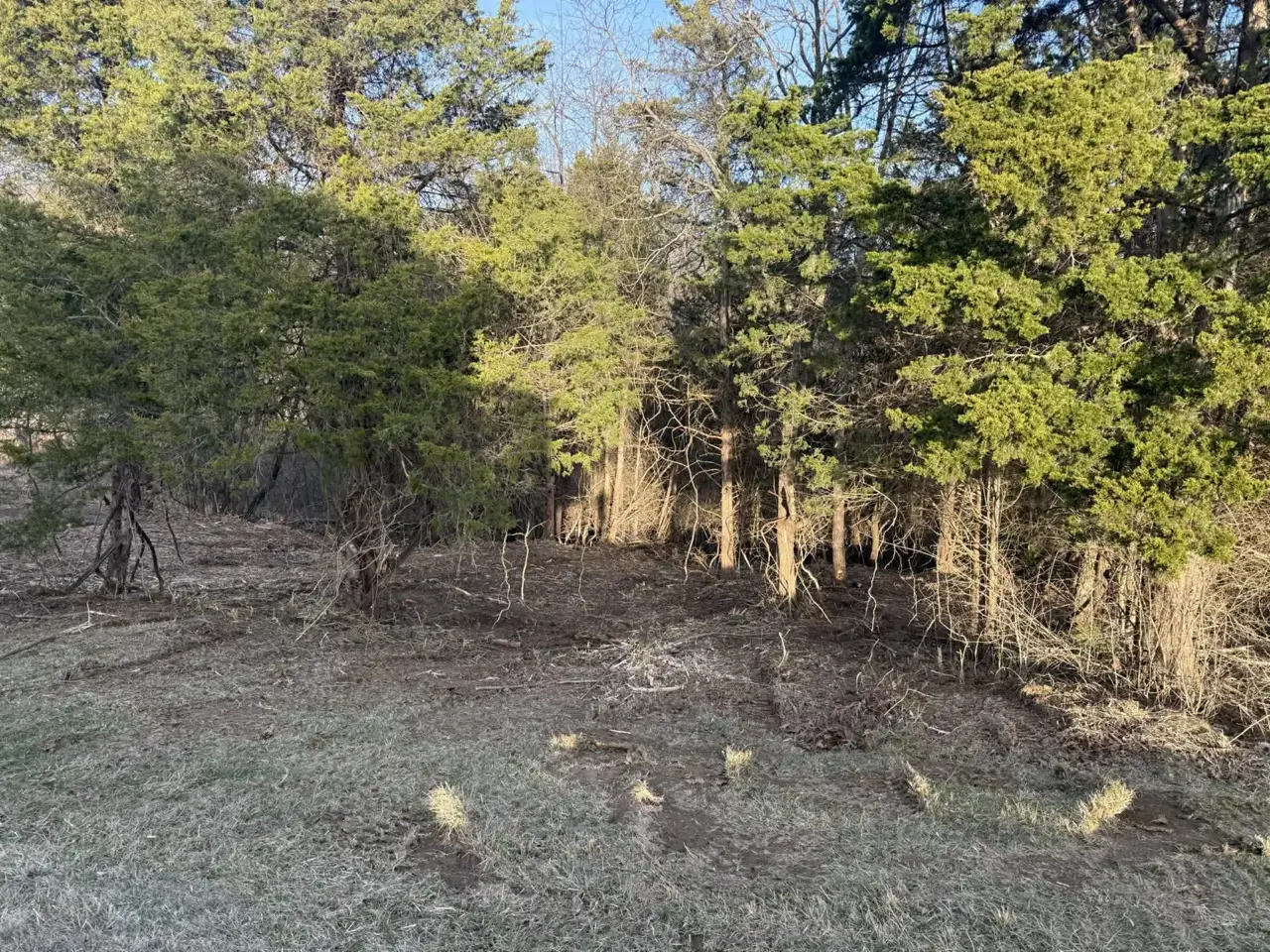
To maintain cleared land, establish ground cover within 2 weeks by seeding grass or clover, then mow regularly during the first 2–3 growing seasons. Annual brush hogging, targeted herbicide application, and livestock grazing are also effective. Without active maintenance, cleared land in Kentucky will return to brush within 2–3 years.
The Number One Question We Get
We finish a forestry mulching job. The property looks great — clean, open, the way the landowner imagined it. We shake hands. And then, almost every single time, the client asks: "So how do I keep it from growing back?"
It is the right question. And the honest answer is that cleared land in Kentucky will absolutely grow back if you do not have a maintenance plan. Nature does not care about your plans. Kentucky gets 45–50 inches of rain a year, the growing season runs from April through October, and the seeds of every weed, shrub, and tree in the county are already in the soil waiting for sunlight.
We have cleared the same property twice for clients who did nothing after the first clearing. Not because we wanted the repeat business — we would rather give you the information to maintain it yourself. But some people hear the maintenance plan, nod, and then get busy with life. Two years later, the honeysuckle is waist-high again.
Here is what actually works.
Understanding the Regrowth Timeline
Before we get into methods, you need to understand how fast Kentucky ground recovers from clearing. This is not Arizona. Things grow here.
| Time After Clearing | What Happens |
|---|---|
| 0–4 weeks | Annual weeds germinate from existing seed bank in soil |
| 1–3 months | Perennial root systems begin resprouting (honeysuckle, autumn olive, locust) |
| 3–6 months | Seedling trees appear, brush thickens where no ground cover was established |
| 1–2 years | Without maintenance, knee- to waist-high brush and saplings across the site |
| 3–5 years | Young trees 6–10 feet tall, approaching the point where a bush hog cannot handle them |
| 5–10 years | Back to where you started, possibly worse |
That last line is not an exaggeration. We cleared a 3-acre property in Grant County in 2021. The owner did no follow-up. When he called us back in 2024, the regrowth was denser than the original vegetation because the root systems were already established and producing aggressive sucker growth from the stumps.
The window where maintenance is cheap and easy is the first 1–3 years. After that, you are paying for clearing again.
Method 1: Seed with Grass or Clover
This is the single most important thing you can do after clearing. Get ground cover established as fast as possible.
When you seed immediately after mulching, the grass or clover takes over the ground before woody species get a foothold. It is a race, and the grass has to win. Once a thick stand of fescue or clover is established, it shades out most tree seedlings and suppresses brush regrowth. Not perfectly — some things still push through — but the difference between seeded ground and bare ground after one year is night and day.
What to Seed
For most properties in Northern Kentucky, we recommend:
- Tall fescue — The workhorse of Kentucky ground cover. Tough, drought-tolerant once established, and aggressive enough to compete with regrowth. Seed at 25–30 lbs per acre.
- Red or white clover mixed in — Fixes nitrogen in the soil, fills bare spots, and provides pollinator habitat. 5–8 lbs per acre mixed with fescue.
- Annual ryegrass as a nurse crop — Germinates fast (5–7 days) and provides quick cover while the fescue establishes. 10–15 lbs per acre.
The best seeding windows in our area are mid-March through April and September through mid-October. Fall is actually better because the cool temperatures favor fescue germination and the summer weeds are dying off. If we clear your property in July, we might recommend a temporary annual cover and then permanent seeding in September.
Cost of Seeding
Seed and application for a basic fescue-clover mix runs about $200–$400 per acre for materials, plus labor if you are not doing it yourself. We can handle seeding as part of the clearing job. Compared to the cost of re-clearing in three years, it is the best money you will spend.
Method 2: Regular Mowing During Establishment
For the first two to three growing seasons, plan to mow the cleared area every 4–6 weeks during the growing season (April through October). This is the phase where your grass is competing with woody regrowth for dominance.
Mowing does two things. It keeps the grass at a height where it tillers and thickens — building that dense root mat you want. And it cuts back woody seedlings before they get tall enough to shade out the grass.
A standard riding mower works for small lots. For anything over an acre, you need a bush hog on a tractor or you need to hire someone to bush hog it. In our area, you can find someone to bush hog a few acres for $75–$150 per acre per visit.
The mistake we see is people mowing the first summer and then stopping. The second and third summers are just as important. By year three, a well-managed fescue stand is thick enough that woody regrowth is largely self-suppressing. But those first three years, you have to stay on it.
Method 3: Annual Brush Hogging
For larger properties — 5 acres and up — where you are not trying to maintain a lawn-like appearance, annual or twice-annual brush hogging is the most practical long-term maintenance approach.
Brush hogging in late summer (August–September) catches all the woody growth at its tallest before it goes dormant for winter. A second pass in late spring (May–June) gets early regrowth before it gains momentum.
The key is consistency. One brush hogging per year keeps woody growth under about 18 inches. Skip a year, and you are cutting 4–5 foot saplings that are harder on equipment and leave thicker stubs that regrow more aggressively.
We do maintenance brush hogging for several clients in Grant County and Pendleton County on annual contracts. It is not glamorous work, but it is the difference between maintaining a field and re-clearing a thicket.
Brush Hogging Limitations
A bush hog handles grass, weeds, and soft woody growth up to about 2 inches in diameter. Once saplings get bigger than that, you need either a heavy-duty brush cutter or a forestry mulcher again. Black locust and Osage orange are particularly bad — they grow fast and the wood is hard enough that a standard bush hog bounces right off.
If you let things go for three years and then try to bush hog, you are going to break things.
Method 4: Targeted Herbicide Application
This one gets controversial, and we understand why. But we are going to be straight: for certain species, herbicide is the only thing that reliably prevents regrowth. Honeysuckle, autumn olive, and tree of heaven resprout from the roots after mulching. You can mulch them every year for a decade and they will keep coming back from the same root system.
A targeted herbicide application — typically triclopyr or glyphosate applied directly to cut stumps or resprouts — kills the root system. One application, done correctly 6–8 weeks after mulching, eliminates most invasive regrowth permanently.
The Honest Pros and Cons
| Pros | Cons |
|---|---|
| Kills root systems that mulching alone cannot | Chemical application on your land |
| One application often sufficient | Potential impact on non-target plants if applied broadly |
| Most cost-effective invasive control | Requires proper timing and technique |
| Prevents years of repeated mowing | Some landowners are philosophically opposed |
We are not here to tell you what to think about herbicide. Some of our clients use it. Some refuse to. Both positions are reasonable. What we will say is that if you have a heavy honeysuckle or autumn olive problem and you do not use herbicide, plan on more frequent mowing or periodic re-mulching to keep those species in check.
Honest take: We have seen properties where the landowner spent $3,000 on mulching, refused herbicide follow-up, and then spent another $3,000 three years later re-mulching the same honeysuckle. A $300 herbicide application after the first clearing would have solved it permanently. We are not pushing chemicals — we are pushing math.
Method 5: Livestock Grazing
If you are clearing land to return it to pasture, livestock is the best long-term maintenance tool there is. Cattle, goats, and horses eat or trample woody regrowth before it establishes.
Goats are particularly effective on steep or brushy terrain. They eat honeysuckle, multiflora rose, and other species that cattle ignore. We have worked with several landowners in Grant County and Pendleton County who brought goats in after we mulched, and those properties have stayed clean with zero mechanical maintenance.
The timeline goes like this:
- We mulch the property
- Seed with pasture mix within 2 weeks
- Allow 60–90 days for grass to establish (keep livestock off during this period)
- Introduce livestock at appropriate stocking density
- Rotational grazing keeps regrowth in check year after year
Cattle will not eat everything. Cedar seedlings, black locust, and some other species survive grazing. You may still need to do a walk-through once a year with a chainsaw or hand tools to cut the things the animals leave behind. But the bulk of the maintenance is handled by the livestock.
What About Chemical-Free, No-Mow Maintenance?
Some landowners want to establish a native meadow — no mowing, no chemicals, just wildflowers and native grasses. It is a beautiful idea. It is also harder than it sounds.
Native warm-season grasses like big bluestem and Indian grass can suppress woody regrowth once established. But they take 2–3 years to fill in, and during that establishment period, you still need to mow to keep woody species from overtaking them. You are not avoiding maintenance — you are front-loading it.
We have seen successful native meadow conversions on properties near the Licking River in Campbell County. But every one of them required 2–3 years of dedicated management before the native grasses were thick enough to hold their own. It works. It just takes patience and a plan.
Our Recommended Maintenance Schedule
Based on what we have seen work on hundreds of properties across Northern Kentucky, here is the schedule we recommend for most cleared land:
- Week 1–2 after clearing: Seed with fescue/clover mix. On slopes steeper than 15 degrees, apply erosion blankets too.
- Month 2–3: First mow at 4–6 inches to encourage grass tillering and cut back early woody resprouts.
- Month 2 (if invasives present): Targeted herbicide application on invasive resprouts.
- Year 1 growing season: Mow every 4–6 weeks, April through October (5–7 mowings).
- Year 2 growing season: Mow every 6–8 weeks (3–5 mowings). Spot-treat any persistent woody regrowth.
- Year 3 and beyond: Annual or twice-annual brush hogging for large properties. Riding mower for residential lots. Spot-check for woody species that push through.
By year three, a well-maintained property requires minimal effort. The grass has won the competition. You are maintaining, not fighting.
What It Costs to Maintain vs. Re-Clear
Here are real numbers on this.
| Approach | 5-Year Cost (5-acre property) |
|---|---|
| Initial clearing + seeding + 3 years mowing + annual brush hog | $12,000–$16,000 |
| Initial clearing, no maintenance, re-clear in year 3 and year 6 | $22,000–$30,000 |
The maintenance route costs about half. And at the end of five years, you have an established field instead of a freshly re-cleared property starting the cycle over again.
The Reality Check
We would love to tell you that one mulching job and a bag of seed will keep your property clear forever. That is not how it works in Kentucky. The climate, the rainfall, and the aggressive invasive species in our area mean that some level of ongoing maintenance is part of the deal.
But the maintenance does not have to be expensive or complicated. Seed promptly, mow consistently for the first few years, address invasives directly, and stay ahead of it. That is the whole formula.
Some of our clients handle all the maintenance themselves. Others hire us for annual brush hogging visits. A few have called us back for a second clearing because life got in the way of their maintenance plan. We do not judge — we just clear it again and have the same conversation about what to do next.
If you have questions about maintaining a property we have already cleared, or if you are planning a clearing job and want to build a maintenance plan into the process, call us at (859) 710-6107 or request a free estimate. We are happy to walk through it with you.
Related Services
We Serve These Areas
How to Maintain Cleared Land So It Doesn't Grow Back FAQ
Very quickly. Without maintenance, cleared land in Kentucky will have knee-high brush and saplings within 1–2 years. By 3–5 years, young trees can be 6–10 feet tall. The combination of 45–50 inches of annual rainfall, a long growing season, and aggressive invasive species makes Kentucky regrowth some of the fastest in the eastern US.
Tall fescue mixed with red or white clover is the best combination for most Northern Kentucky properties. Fescue is tough and aggressive enough to compete with woody regrowth. Clover fixes nitrogen and fills bare spots. Add annual ryegrass as a nurse crop for quick initial cover. Seed at 25–30 lbs fescue, 5–8 lbs clover, and 10–15 lbs ryegrass per acre.
Mow every 4–6 weeks during the growing season (April through October) for the first 2–3 years after clearing. This keeps grass dominant and cuts back woody resprouts before they establish. After year 3, annual or twice-annual brush hogging is usually sufficient for larger properties.
It depends on the species present. Invasive species like honeysuckle, autumn olive, and tree of heaven resprout aggressively from root systems that mulching alone does not kill. A targeted herbicide application 6–8 weeks after mulching is the most effective and cost-efficient way to prevent regrowth from these species.
Yes. Goats are excellent for maintaining cleared land, especially on steep or brushy terrain. They eat honeysuckle, multiflora rose, and other species that cattle avoid. Allow 60–90 days after seeding for grass to establish before introducing livestock, and use rotational grazing to prevent overgrazing.
Annual maintenance costs vary by property size and method. Bush hogging runs $75–$150 per acre per visit, with 2–4 visits per year typical. Seeding costs $200–$400 per acre for materials. For a 5-acre property, expect $1,500–$3,000 per year in maintenance — roughly half the cost of re-clearing every 3 years.
Ready to Get Started?
Free on-site estimates for all properties in our service area.
Ready to Clear Your Land?
Get a free, no-obligation estimate for your project. We respond fast and show up on time.
Try our cost calculator · Serving Northern Kentucky, Greater Cincinnati, and Southeast Indiana · 24/7 — Emergency Service Available