
Lot Clearing Before Building: A Complete Checklist
A step-by-step checklist for clearing a lot before construction. What to do, what order to do it in, and what each step typically costs.
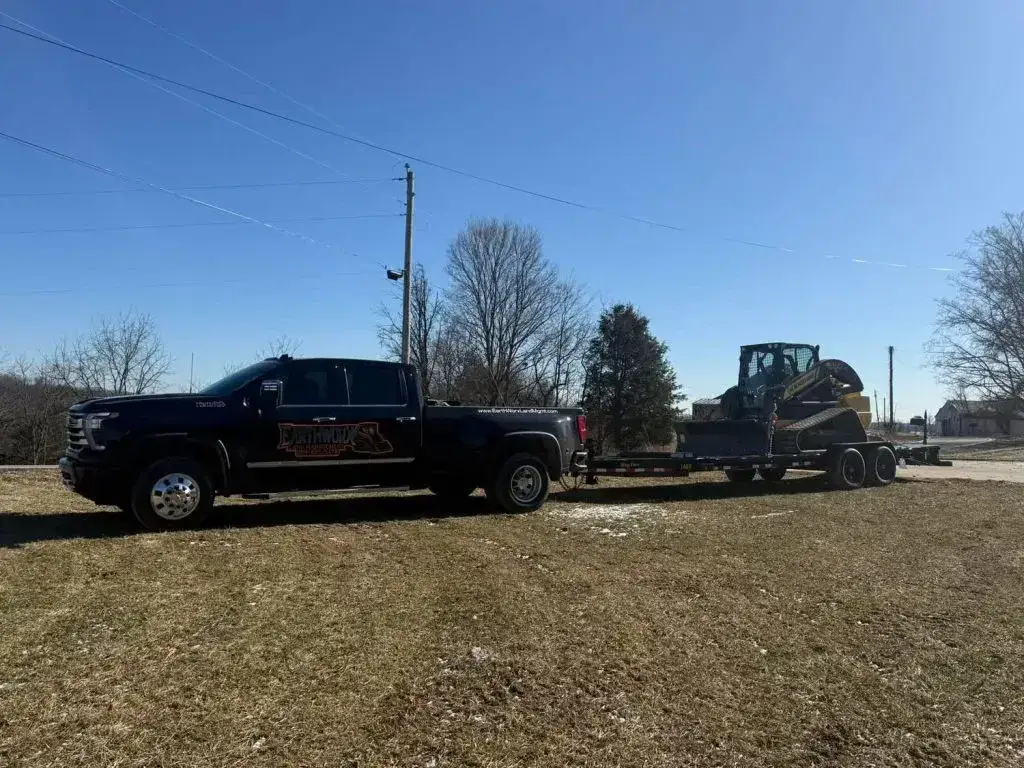
Lot clearing before building involves nine key steps: property survey, permit verification, utility locates, tree assessment, clearing plan, vegetation removal, stump grinding, rough grading, and erosion control installation. Total cost for clearing a half-acre wooded residential lot runs $3,000 to $8,000 depending on terrain and tree density.
Why a Checklist Matters
Clearing a lot for new construction seems straightforward: knock down the trees and start building. In practice, skipping steps or doing things out of order creates expensive problems. Clearing before you have a survey means you might clear onto a neighbor's property. Skipping the utility locate means you might hit a gas line. Ignoring erosion control means the county might shut down your project.
This checklist covers the process from raw lot to build-ready site. Not every step applies to every lot. A flat, open lot with a few trees needs less preparation than a heavily wooded hillside. But going through each item ensures nothing gets missed.
Step 1: Property Survey
What: Have a licensed surveyor mark your property corners and boundaries with stakes or pins.
Why: You need to know exactly where your property lines are before you cut a single tree. Clearing onto a neighbor's property is a liability issue and potentially a legal one. The survey also establishes the lot dimensions your builder needs for site planning.
Cost: $400 to $800 for a standard residential lot survey in Northern Kentucky and Greater Cincinnati. Larger or irregularly shaped parcels cost more.
When: Before anything else. This is step one for a reason.
If the lot was surveyed when you bought it and you can find the existing pins, a surveyor may only need to flag them rather than run a full new survey. This costs less. Look for iron pins or rebar at the corners.
Step 2: Permit Check
What: Contact your county or municipality planning office to determine what permits you need for clearing and construction.
Why: Depending on your location, you may need erosion control permits, tree removal permits, grading permits, or building permits before any work begins. Starting without permits can result in fines, stop-work orders, and project delays.
Key permits to ask about:
- Erosion and sediment control plan (required for disturbance over 1 acre in KY and OH)
- Tree removal permits (varies by jurisdiction, especially in Hamilton County, OH)
- Grading or earthwork permits
- Driveway/curb cut permits
- Building permit (often required before clearing in some jurisdictions)
Cost: Permit fees range from $50 to $500 depending on the jurisdiction and project size. The erosion control plan, if required, costs $500 to $1,500 to prepare through an engineering firm.
When: After survey, before clearing.
Step 3: Utility Locate
What: Call 811 (national number for both Kentucky and Ohio) to request underground utility locates. The utility companies will mark the locations of buried gas, electric, water, sewer, telecom, and cable lines on your property.
Why: Hitting a buried utility line with clearing equipment is dangerous and expensive. A severed gas line is a serious safety hazard. Even hitting a cable line creates a liability you do not need.
Cost: Free. The 811 service is paid for by the utility companies.
When: Call at least two business days before any equipment touches the ground. The marks are valid for a limited period (typically 10 to 14 business days in Kentucky), so time your call close to the actual work start date.
Important note: 811 only locates utility company-owned lines up to your property. Private lines from the meter to the house (on existing properties) are not marked. If the lot has an existing structure with private utility runs, you may need a private locate service.
Step 4: Tree Assessment
What: Walk the lot and identify which trees to remove and which to keep.
Why: Not every tree on the lot needs to come down. Mature hardwoods at the perimeter of the lot can provide shade, privacy, and property value. Dead, diseased, or poorly positioned trees should go. Trees in the building footprint and driveway path obviously need to come out.
What to consider:
- Mark the approximate building footprint and driveway location on the ground
- Identify trees within 15 feet of the building footprint (these typically need removal for construction access and root protection)
- Flag any trees you want to save with ribbon or paint
- Note any dead or leaning trees that are hazards regardless of location
- Check for trees with value: large oaks, walnuts, and other hardwoods may be worth selling as timber rather than just mulching
Cost: Doing this yourself costs nothing but time. A certified arborist assessment runs $200 to $500 if you want professional guidance.
When: Before creating the clearing plan. Walk the lot with your builder if possible.
Step 5: Clearing Plan
What: Create a written and mapped plan showing exactly what gets cleared, what stays, and where equipment will access the site.
Why: Without a clear plan, the clearing crew makes decisions in the field. Those decisions may not match what you or your builder had in mind. A plan also protects you if there is a dispute about what was supposed to be removed or preserved.
What to include:
- Map showing clearing boundary
- Trees marked for preservation (with protection fencing if needed)
- Equipment access route
- Debris handling method (mulch in place vs. haul off)
- Stump grinding requirements (which stumps, to what depth)
- Any selective clearing areas (thin rather than clear-cut)
Cost: Most clearing contractors will create a clearing plan as part of the bidding process at no extra charge. Your builder may also provide a site plan that serves this purpose.
Step 6: Vegetation Clearing
What: Remove trees, brush, and undergrowth from the designated clearing area.
Why: This is the core of the lot clearing process. The building pad, driveway, utility routes, and construction staging area all need to be clear of vegetation.
Methods:
- Forestry mulching handles brush and trees up to about 8 inches in diameter in a single pass. Fast and leaves mulch on the ground.
- Traditional tree removal for larger trees. Fell with a chainsaw, process the trunk and limbs, then mulch the remaining brush.
- Combination approach is most common on wooded lots: fell the large trees, then mulch everything else.
Cost: $2,000 to $5,000 for a typical half-acre wooded residential lot. Heavily wooded lots with large timber can reach $6,000 to $8,000 per acre.
Timeline: One to three days for most residential lots.
Step 7: Stump Removal
What: Grind tree stumps below grade throughout the building area.
Why: Stumps in the building footprint interfere with foundation work. Stumps in the driveway path interfere with grading. Even stumps outside the immediate build area can cause problems if they are in utility trench routes or future yard areas.
Buried stumps that are not ground out will decompose over several years, creating sinkholes and settling in the fill above them. This is a common source of driveway and yard settling on new construction sites.
What depth:
- Building footprint: grind 12 to 18 inches below grade
- Driveway and utility routes: grind 8 to 12 inches below grade
- Yard areas: grind 4 to 6 inches below grade (enough for sod or seed)
Cost: $75 to $250 per stump depending on size. Volume discounts apply when grinding many stumps on one lot. Budget $500 to $2,000 for stump grinding on a typical wooded half-acre lot.
Step 8: Rough Grading
What: Shape the cleared lot to approximate the finished grade needed for construction. This includes establishing drainage patterns, building up the pad area if needed, and creating a driveway path.
Why: The builder needs a roughly graded pad to start foundation work. Proper drainage away from the building site prevents water problems during and after construction. On sloped lots, this step may involve cut-and-fill earthwork to create a level building pad.
What it involves:
- Stripping and stockpiling topsoil (the builder will want it back later for finish grading)
- Shaping the subgrade to drain away from the building pad
- Compacting fill areas if material is added
- Establishing a rough driveway path for construction traffic
Cost: $1,500 to $5,000 for a residential lot depending on the amount of earth moved. Steep lots requiring significant cut-and-fill work can run much higher.
When: After clearing and stump removal, before construction starts.
Step 9: Erosion Control
What: Install erosion control measures to prevent sediment from leaving the site during and after clearing.
Why: Exposed soil erodes. Rain washes sediment into streams, storm drains, and neighboring properties. Both Kentucky and Ohio require erosion control on construction sites. Failing to install it can result in fines and stop-work orders.
Common measures:
- Silt fence along the downhill perimeter of the disturbed area
- Straw or mulch on exposed soil that will not be worked for more than 14 days
- Rock construction entrance to prevent mud tracking onto public roads
- Inlet protection on any storm drains near the site
Cost: $500 to $2,000 depending on site size and requirements. Often included in the grading contract.
When: Install before or immediately after clearing. Erosion control should be in place before the first rain hits the exposed soil.
Total Cost Summary
| Step | Typical cost |
|---|---|
| Property survey | $400 - $800 |
| Permits and plans | $50 - $2,000 |
| Utility locate | Free |
| Tree assessment | $0 - $500 |
| Vegetation clearing (0.5 acre) | $2,000 - $5,000 |
| Stump grinding | $500 - $2,000 |
| Rough grading | $1,500 - $5,000 |
| Erosion control | $500 - $2,000 |
| Total range | $4,950 - $17,300 |
Most residential lot clearing projects in our area fall in the $5,000 to $12,000 range when you include everything from survey through erosion control. The wide range reflects differences in lot size, tree density, terrain, and how much grading is needed.
Common Mistakes to Avoid
- Clearing before you have a survey. You might clear onto a neighbor's property or discover the lot is smaller than you thought.
- Skipping the utility locate. A severed gas line will ruin your day. It takes two minutes to call 811.
- Clearing too much. Trees you remove cannot be put back. Save mature trees where you can. They add property value and take decades to replace.
- Not grinding stumps in the build area. Buried stumps cause settling. The $150 to grind a stump now saves $2,000 in repairs later.
- Ignoring erosion control. A heavy rain on bare soil can wash sediment onto a neighbor's property or into a stream. The fines are not worth the risk.
- Waiting until the last minute. Clearing crews have schedules. Waiting until two weeks before your builder starts to think about clearing creates unnecessary pressure. Book clearing four to six weeks ahead.
Bottom Line
Lot clearing is not just knocking down trees. It is a sequence of steps that sets the foundation for your entire construction project. Go in order, do not skip steps, and allow enough time for each one.
EarthWorx handles steps 6 and 7 (vegetation clearing and stump grinding) and can coordinate with grading contractors on step 8. Call (859) 710-6107 for a free lot clearing estimate in Boone County, Greater Cincinnati, or anywhere in our service area.
Related Services
We Serve These Areas
Lot Clearing Before Building: A Complete Checklist FAQ
Total lot preparation including survey, permits, clearing, stump grinding, grading, and erosion control typically costs $5,000 to $12,000 for a half-acre residential lot in the Greater Cincinnati and Northern Kentucky area. The vegetation clearing portion alone runs $2,000 to $5,000.
It depends on your jurisdiction and project size. Land disturbance over one acre requires an erosion control permit in both Kentucky and Ohio. Some municipalities require tree removal permits. Check with your county or city planning office before starting any clearing work.
Vegetation clearing on a typical half-acre wooded residential lot takes one to three days. Add another day for stump grinding and one to two days for rough grading. The full process from survey to build-ready site takes two to four weeks when you account for permit processing and scheduling.
No. Mature trees at the lot perimeter provide shade, privacy, and property value. Remove trees in the building footprint, driveway path, and utility routes. Flag trees you want to preserve and communicate that clearly to the clearing crew before work begins.
Buried stumps decompose over several years, creating voids underground. Fill soil above a buried stump will settle unevenly, causing driveway cracks, yard sinkholes, and potentially foundation issues if the stump is in the building footprint. Grinding stumps during clearing is far cheaper than fixing settling later.
Yes. Call 811 at least two business days before any equipment work begins. Utility companies will mark the locations of buried gas, electric, water, sewer, and telecom lines at no charge. This is required by law and protects you from damaging utilities and the associated liability.
Ready to Get Started?
Free on-site estimates for all properties in our service area.
Ready to Clear Your Land?
Get a free, no-obligation estimate for your project. We respond fast and show up on time.
Try our cost calculator · Serving Northern Kentucky, Greater Cincinnati, and Southeast Indiana · 24/7 — Emergency Service Available