
How to Reclaim an Overgrown Pasture in Kentucky or Ohio
That pasture your grandfather kept clean has been taken over by cedars, autumn olive, and multiflora rose. Here is how to get it back into production.
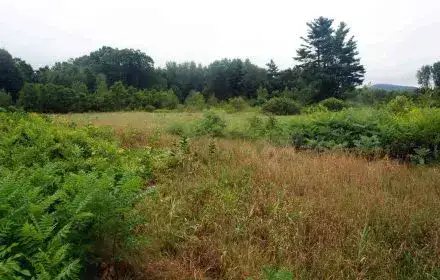
Reclaiming an overgrown pasture in Kentucky or Ohio typically involves forestry mulching to remove invasive trees and brush ($1,500 to $3,000 per acre), followed by soil testing, lime and fertilizer application, and reseeding with appropriate grass mix. The full process from clearing to usable pasture takes 6 to 12 months. A bush hog can handle grass and light brush, but established cedar and woody invasives require a forestry mulcher.
How Good Pasture Goes Bad
It does not take long. A working pasture that gets taken out of production can look completely different in five years. The progression is predictable if you know what to watch for.
Year one without mowing or grazing: tall fescue and weeds grow knee-high. Briar canes start from the fence rows. You can still walk through it.
Year two: woody seedlings appear. Eastern red cedar, autumn olive, bush honeysuckle, and multiflora rose are the big four in Northern Kentucky and southern Ohio. They germinate in the unmowed grass, and without competition from regular cutting or animal browse, they take off.
Year three: the woody stems are chest-high. Cedars are 3 to 4 feet tall. Autumn olive is taller than that. The grass underneath is being shaded out. You can still see across the field, but just barely.
Year five: the cedars are 8 to 10 feet tall. Autumn olive forms dense clusters. Multiflora rose has arching canes 10 feet long. The grass is mostly gone under the tree canopy. What was a pasture is now a young forest of invasive species.
Year ten: you need a machete to cross it. We see this constantly in Grant County, Georgetown, and the farm country between Lexington and Cincinnati. Families inherit property, renters stop maintaining fields, or a farmer retires and the land sits. A decade later, someone decides to put it back into use and realizes they have a significant clearing job ahead of them.
Bush Hog vs. Forestry Mulcher
This is the first question we get from landowners looking at an overgrown pasture: "Can I just bush hog it?"
Maybe. It depends on what has grown in.
When a Bush Hog Works
- Grass and weeds under 4 feet tall
- Briar canes under 1 inch in diameter
- No woody stems thicker than your thumb
- Flat to gently rolling ground
A bush hog (rotary cutter) mounts on a tractor and chops vegetation at 4 to 6 inches above ground level. It handles grass and soft-stemmed growth well. If your pasture is just tall grass with some scattered small briars, a bush hog pass or two will knock it down. Rent one for $200 a day or hire a local tractor operator.
When You Need a Mulcher
- Woody stems over 1 to 2 inches in diameter
- Cedar trees of any size
- Autumn olive, bush honeysuckle, or multiflora rose
- Stumps and root crowns that need to be ground down
- Terrain too rough or steep for a tractor-mounted bush hog
A bush hog will skip over or break on woody stems. We have seen landowners damage bush hog blades on 3-inch cedar trunks and blow PTO shafts trying to force through multiflora rose thickets. The bush hog also leaves stumps sticking up, which means you cannot mow the area normally afterward until you deal with them.
A forestry mulcher grinds everything, including the stumps, to ground level or below. After mulching, the ground is smooth enough to mow with a standard tractor. That is the difference that matters for pasture work.
If more than a third of your overgrown pasture has woody stems, a bush hog will not do the job. Save the money on the rental and call for a mulcher estimate.
The Reclamation Process: Step by Step
Step 1: Clear the Woody Growth
Forestry mulching removes the trees, brush, and invasive species that have colonized the pasture. On a typical 10-acre overgrown pasture in Grant County or Georgetown, this takes 3 to 5 days depending on density.
We mulch everything to ground level. Cedar stumps, autumn olive root crowns, and rose canes all get ground into the surface. The result is an open field covered in a layer of wood chip mulch, typically 2 to 3 inches deep over the cleared areas. Between the former tree clusters, the existing grass may still be alive under the canopy. Those areas recover quickly once they get sunlight again.
Step 2: Fence Line Clearing
Most overgrown pastures have fence lines that are buried in brush. If the fence is worth saving, we clear brush from both sides of the wire so a fence crew can access it for repairs. If the fence has been consumed by multiflora rose and tree growth to the point where the wire is embedded in trunks, the fence is usually a loss. We mulch through it (after removing as much metal as possible) and the landowner starts over with new fence.
Fence line clearing is almost always part of a pasture reclamation project. We quote it as part of the overall scope.
Step 3: Soil Testing
This is the step people skip and then wonder why their new grass does not come in strong. After years of woody plant growth, pasture soil chemistry changes. Soil pH drops as organic acids accumulate under cedar and hardwood canopy. Available phosphorus and potassium decline. The soil biology shifts from a grass-supporting community to a forest-supporting one.
A soil test from your county extension office costs $5 to $15 and tells you exactly what amendments the soil needs. In our area, the most common prescription for former overgrown pasture is:
- Lime: 2 to 4 tons per acre to raise pH back to 6.2 to 6.8 for grass
- Phosphorus (P): Often deficient after years of woody growth
- Potassium (K): Moderate deficiency common
- Nitrogen (N): Not usually applied before seeding. It encourages weed growth.
Apply lime and fertilizer according to the soil test results, not a guess. Over-liming is as bad as under-liming.
Step 4: Reseeding
Timing for reseeding in Kentucky and southern Ohio:
- Fall seeding (September 1 to October 15): Best window. Cool-season grasses germinate in warm soil, establish roots before winter, and come on strong the following spring. Fescue, orchard grass, and bluegrass all do best with fall seeding.
- Spring seeding (March 15 to April 30): Second choice. Grass germinates but faces summer heat and drought stress before establishing a deep root system. Expect a thinner stand the first year compared to fall seeding.
- Frost seeding (February): Broadcast seed on frozen ground in late February. Freeze-thaw cycles work the seed into soil cracks. Works for clover and some grass species but not reliable as a primary seeding method.
Seed mix depends on intended use:
| Use | Recommended Mix | Seeding Rate |
|---|---|---|
| Cattle pasture | KY-31 fescue + orchard grass + red/white clover | 25-30 lbs/acre |
| Horse pasture | Max-Q fescue or orchard grass + bluegrass + clover | 25-30 lbs/acre |
| Hay production | Timothy + orchard grass + red clover | 20-25 lbs/acre |
| Wildlife habitat | Native warm-season grass mix (big bluestem, indiangrass, switchgrass) | 8-12 lbs PLS/acre |
Horse vs. Cattle Considerations
Horse owners need to pay attention to one specific issue: endophyte-infected fescue. Standard KY-31 tall fescue carries an endophyte fungus that causes fescue toxicosis in horses (and cattle, but horses are more sensitive). Symptoms include poor hoof growth, heat intolerance, and reproductive problems.
If you are reclaiming pasture for horses, use novel-endophyte or endophyte-free fescue varieties (like Lacefield MaxQ) or avoid fescue entirely and seed with orchard grass, bluegrass, and clover. This costs more per bag but avoids a serious health issue.
For cattle, standard KY-31 fescue is the workhorse grass of the region. It is tough, persistent, and tolerates the abuse that cattle put on pasture. The endophyte issue exists for cattle too but is managed by diluting fescue stands with clover and other species.
Step 5: First-Year Management
New pasture seedings need protection during the first growing season.
- No grazing for 6 to 12 months after seeding. The grass needs to establish a root system before animals start pulling on it. Grazing too early thins the stand and sets you back a year.
- Mow once at 6 to 8 inches to reduce weed competition and encourage tillering (side shoot production) in the grass plants. Set the mower at 4 inches.
- Watch for invasive resprouts. Autumn olive and multiflora rose will try to come back from root crowns. Spot-spray or pull resprouts while they are small.
- Second soil test in fall to check whether amendments are working. Adjust lime and fertilizer for the second year based on results.
Realistic Cost Per Acre for Pasture Reclamation
Here is what the full process looks like on a cost basis for a typical 10-acre pasture reclamation project in our area:
| Line Item | Cost Per Acre | 10-Acre Total |
|---|---|---|
| Forestry mulching | $1,500-$2,500 | $15,000-$25,000 |
| Fence line clearing (included in mulching or separate) | $300-$500 | $3,000-$5,000 |
| Herbicide follow-up on invasive resprouts | $200-$400 | $2,000-$4,000 |
| Soil test | $5-$15 total | $15 |
| Lime application | $60-$100 | $600-$1,000 |
| Fertilizer | $40-$80 | $400-$800 |
| Seed | $80-$150 | $800-$1,500 |
| Seeding (broadcast or drill) | $30-$50 | $300-$500 |
All-in cost for 10 acres of pasture reclamation: roughly $22,000 to $37,000, or $2,200 to $3,700 per acre depending on how overgrown the pasture is and what amendments the soil needs.
The mulching is the biggest single cost. Everything after that is relatively inexpensive but just as important for the long-term result.
The Timeline
A realistic timeline for pasture reclamation from start to first grazing:
- Month 1: Mulching and fence line clearing
- Month 2: Herbicide follow-up on invasive resprouts
- Month 3: Soil test, order amendments and seed
- Month 4-5: Lime and fertilizer application
- Month 5-6 (fall): Seeding
- Months 7-12: Grass establishment, mowing once, monitoring
- Month 12-18: First light grazing with rotational management
If you start clearing in spring, you can seed that fall and graze the following fall. That is about 18 months from start to first use. Starting in fall or winter means you are seeding the following fall, pushing first grazing out to nearly two years.
EarthWorx handles pasture reclamation projects from 5 acres to 50+ acres across Kentucky and southern Ohio. We work with landowners in Grant County, Georgetown, and the surrounding farm country who want to bring neglected ground back into production. The clearing is our specialty. We will point you toward the right extension agent and seed supplier for everything that comes after.
We Serve These Areas
How to Reclaim an Overgrown Pasture in Kentucky or Ohio FAQ
Full pasture reclamation in Kentucky and Ohio costs $2,200 to $3,700 per acre including forestry mulching, herbicide follow-up, soil amendments, and reseeding. The mulching portion is $1,500 to $2,500 per acre, with the remainder going to lime, fertilizer, seed, and application costs.
A bush hog works if the pasture has only tall grass and small briar canes under 1 inch in diameter. If woody stems, cedar trees, autumn olive, or multiflora rose have established, a bush hog cannot handle them and may be damaged trying. A forestry mulcher is required for woody growth.
From clearing to first grazing, expect 12 to 18 months. The clearing takes days, but soil amendments need time to work, grass needs to germinate and establish, and new seedings should not be grazed for 6 to 12 months. Starting in spring with fall seeding is the fastest path.
For cattle: KY-31 fescue with orchard grass and clover at 25 to 30 lbs per acre. For horses: use novel-endophyte fescue (MaxQ) or orchard grass with bluegrass and clover to avoid fescue toxicosis. For hay: timothy and orchard grass with red clover. Consult your county extension office for specific variety recommendations.
Cedar (eastern red cedar) does not resprout from stumps, so mulching provides permanent removal. Autumn olive and multiflora rose do resprout from root crowns and require herbicide follow-up 6 to 8 weeks after mulching. With proper treatment, 90% or better kill rates are typical.
Yes. After years of woody plant growth, soil pH and nutrient levels change significantly. A $5 to $15 soil test from your county extension office tells you exactly what amendments are needed. Most former overgrown pastures need 2 to 4 tons of lime per acre to correct low pH.
Ready to Get Started?
Free on-site estimates for all properties in our service area.
Ready to Clear Your Land?
Get a free, no-obligation estimate for your project. We respond fast and show up on time.
Try our cost calculator · Serving Northern Kentucky, Greater Cincinnati, and Southeast Indiana · 24/7 — Emergency Service Available