
Stump Grinding vs. Stump Removal: Which Do You Actually Need?
Most people just need stump grinding, not full removal. Here is how each method works, what they cost, and the specific situations that call for complete extraction.
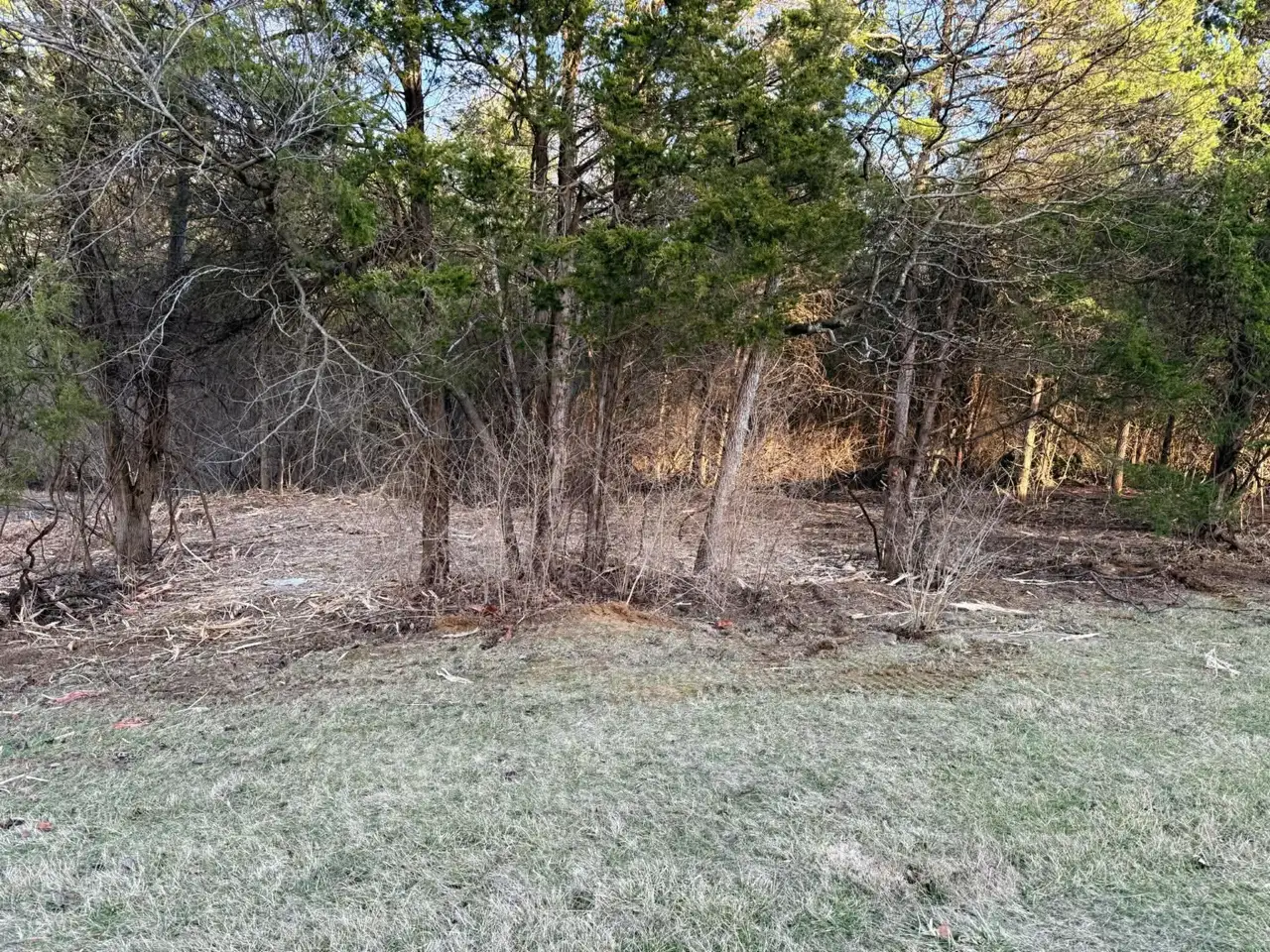
Stump grinding uses a machine to shred the stump 6–12 inches below ground level, costing $100–$400 per stump. Full stump removal uses an excavator to pull out the entire root ball, costing $300–$800+ per stump. Grinding is sufficient for lawns, landscaping, and most uses. Full removal is only necessary when building a foundation directly over the stump location.
The Short Version
You probably need stump grinding. Not stump removal. About 90% of the people who contact us about stumps are perfectly served by grinding. Full removal is overkill for most situations, costs two to three times more, and leaves a much bigger mess to deal with.
But that 10% where full removal is necessary? If you skip it when you actually need it, you are going to have problems down the road. So let me explain the difference so you can make the right call.
What Each Method Does
Stump Grinding
A stump grinder is a machine with a spinning carbide-tipped wheel that chews through the stump and surface roots. The operator lowers the wheel into the stump repeatedly, working across the surface, grinding the wood into small chips. The chips mix with soil and pile up around the hole.
Standard grinding takes the stump down 6–8 inches below the surrounding soil level. Deep grinding goes to 10–12 inches. The root system below that depth stays in the ground, but it is dead. It will decompose on its own over the next 5–10 years depending on the species.
The grinding leaves a hole filled with a mix of wood chips and soil. On a 24-inch stump, the hole might be 3 feet across and 8 inches deep. You fill it with topsoil, pack it down, seed it, and within a couple months you cannot tell a stump was ever there.
Full Stump Removal
Full removal means pulling or digging the entire stump and root ball out of the ground. This is usually done with an excavator or backhoe equipped with a thumb attachment. The operator digs around the stump, cuts the major lateral roots, and lifts the whole thing out.
The root ball on a large tree is big. A 24-inch oak stump might have a root ball 5–6 feet across and 3 feet deep. Getting it out leaves a crater that needs clean fill dirt, compaction, and topsoil. The extracted stump then gets hauled to a disposal site or buried on-site if the property is large enough.
Cost Comparison
| Factor | Stump Grinding | Full Stump Removal |
|---|---|---|
| Cost per stump (small, under 12") | $100–$200 | $200–$400 |
| Cost per stump (medium, 12–24") | $150–$300 | $350–$600 |
| Cost per stump (large, 24"+) | $250–$400 | $500–$800+ |
| Minimum service charge | $150–$250 | $300–$500 |
| Depth below grade | 6–12 inches | 24–36+ inches |
| Hole size left behind | Small, chip-filled | Large crater |
| Backfill needed | Topsoil only | Clean fill + compaction + topsoil |
| Hauling required | No (chips stay on-site) | Yes (root ball disposal) |
| Equipment | Stump grinder | Excavator or backhoe |
| Time per stump | 15–45 minutes | 1–3 hours |
The per-stump cost for removal is roughly 2–3 times higher than grinding. But the hidden cost is in the backfill and restoration. A 24-inch stump removal leaves a hole that needs 2–3 cubic yards of fill dirt ($50–$90) plus compaction and topsoil. Multiply that by a dozen stumps on a cleared lot and the restoration costs add up fast.
When Grinding Is All You Need
Grinding handles the vast majority of stump situations. If any of these apply, grinding is the right call.
Lawn and Landscaping
If you are trying to get a stump out of your yard so you can mow over the area, plant a garden, or install landscaping, grinding is the answer. Grind the stump 6–8 inches deep, fill with topsoil, seed or sod, and you are done. The remaining root system below ground decomposes without causing any surface issues.
We grind residential stumps throughout Covington, Newport, Fort Thomas, and the rest of the Northern Kentucky suburbs. It is a straightforward job that takes 20–45 minutes per stump depending on size, and the yard looks normal within a few weeks.
Clearing for Pasture or General Land Use
On larger properties where we have done forestry mulching, stumps are ground at or near ground level as part of the mulching process. For pasture or recreational use, that level of stump treatment is sufficient. The remaining root mass does not interfere with mowing, foot traffic, or even light vehicle traffic.
On a 10-acre field we cleared last year in Grant County, we ground every stump to 4–6 inches below grade. The owner seeded it for cattle pasture. The cows do not care about decomposing roots 8 inches underground. It works fine.
Fence Lines and Utility Runs
If you need to run a fence through an area with stumps, grinding gives you enough clearance to set posts. A post hole auger can work through the decomposing root material below the grind depth. Same for shallow utility trenches, irrigation lines, and drain tile.
Tree Replacement
Want to plant a new tree where the old one was? Grind the stump, amend the chip-filled hole with compost and topsoil, and plant the new tree right in the same spot. The decomposing wood chips actually feed the soil. Arborists do this all the time.
When Full Removal Is Necessary
There are specific, practical reasons to extract the entire stump. But notice how short this list is compared to the grinding list.
Building a Foundation Over the Stump Location
This is the primary reason for full removal. If you are pouring a concrete foundation, footer, or slab directly over where a stump sits, the stump has to come out completely. Here is why: wood decomposes. As the buried stump and roots rot over the next decade, they create voids in the soil. Those voids cause settlement. Settlement cracks your foundation.
A building inspector will not pass a foundation poured over a stump, even a ground one. The entire root ball needs to be extracted, the hole filled with engineered fill, and the fill compacted to spec. This is non-negotiable for any structural work.
But think about where your foundation is actually going. On a 2-acre lot, the house footprint might be 2,000 square feet. That is less than 5% of the total lot. You need full removal only for the stumps within that footprint. Every other stump on the property can be ground.
Installing a Driveway with a Thick Gravel Base
For driveways with a proper gravel base of 8–12 inches, full stump removal is smart in the drive path. A ground stump at 6 inches below grade sits right in the middle of your gravel base layer. As it decomposes, the driveway settles and forms a dip. Not a structural failure, but annoying and hard to fix after the gravel is in place.
If the driveway is just a farm lane with a thin gravel layer on native soil, grinding is fine. The stakes are lower.
Installing an In-Ground Pool
Same logic as foundations. The pool shell sits in excavated ground, and decomposing root material beneath it can cause settlement. Full removal for any stumps in the pool excavation area.
Addressing Actively Diseased Root Systems
Some tree diseases live in the root system and can spread to nearby trees. Oak wilt and armillaria root rot are examples we see in our area. If an arborist recommends removing the root system to prevent disease spread, full extraction makes sense. But this is uncommon. Most of the time, grinding the stump and letting the roots decompose naturally does not spread disease to neighboring trees.
The Hybrid Approach
On most properties, the smart approach is a combination. Grind the majority of stumps. Remove only the ones that sit directly in the footprint of a planned structure, driveway, or other hardscape.
We did a job on a 3-acre lot outside Covington last summer. We forestry mulched the entire lot, grinding 40+ stumps as we went. Then we pulled just the 6 stumps within the house and barn footprints with an excavator. That ratio, about 85% grinding and 15% full removal, is typical for residential building lots in our area.
What Happens to the Roots After Grinding?
People worry about this, and I understand why. You grind the stump but the roots are still down there. What happens?
The roots die. Without the stump and trunk to supply energy, the root system stops growing and begins to decompose. In Northern Kentucky, with our clay-heavy soil and moderate climate, root decomposition takes 5–10 years for hardwoods and 3–5 years for softwoods like pine and cedar.
During that time, the roots do not cause problems at the surface. They are below the grind depth and shrinking, not growing. The one thing that can happen is slight surface settling as the roots decompose. On a lawn, this might mean a few shallow dips over several years. A bit of topsoil fills them easily.
Species Matters
Not all stumps behave the same. The tree species affects both the grinding difficulty and the regrowth risk.
Hardwoods (oak, maple, ash, walnut): Grind normally. Dead stumps do not resprout. Roots decompose slowly but completely. These are the easiest to deal with after grinding.
Sweetgum and black locust: These are aggressive resprouters. Even after grinding, suckers can emerge from lateral roots for 1–2 years. We recommend treating the grind site and surrounding area with a root-killing herbicide to prevent suckering. Not a deal-breaker, but something to plan for.
Cedar and pine: Soft wood grinds fast. No regrowth issues. Roots decompose faster than hardwoods. The easiest stumps to deal with.
Sycamore and cottonwood: Large, spreading root systems. The roots extend far from the stump and are close to the surface. Grinding the stump is straightforward, but surface roots may need to be ground separately if they are tripping hazards or interfering with mowing.
DIY Stump Grinding
Rental stump grinders are available at most equipment rental stores for $200–$400 per day. For a homeowner with one or two small stumps, renting can make sense. But a few honest warnings.
Rental grinders are small. They handle stumps up to about 12–16 inches. A big stump takes a long time with a small machine. I have talked to homeowners who spent an entire Saturday grinding a single 24-inch stump with a rental unit. We would do that stump in 20 minutes with our commercial grinder.
Stump grinders throw debris at high speed. Rocks, wood chips, and root chunks fly off the wheel hard enough to break a car window from 30 feet away. Wear face protection and keep people and pets well back. Buried nails, fence staples, and wire can also damage the grinding wheel and send shrapnel flying.
For 3 or more stumps, or any stump over 16 inches, hiring a professional is almost always more cost-effective than renting. And a lot less stressful.
What to Ask Before You Hire
Whether you choose grinding or removal, here are the questions that save headaches.
- What depth do you grind to? Standard is 6–8 inches. Make sure that works for your plans.
- Do you grind surface roots or just the main stump? Roots within 12–18 inches should be ground to prevent tripping hazards.
- Is backfill and topsoil included? Some contractors grind and leave. Others fill and seed. Clarify this upfront.
- Do you charge per stump or by the inch? Per-stump pricing is simpler for the customer.
- Is there a minimum charge? Most contractors have a $150–$250 minimum regardless of stump count.
Our Recommendation
For the vast majority of residential and agricultural situations in the Covington, Newport, and Greater Cincinnati area, stump grinding is the right service. It is faster, cheaper, less disruptive, and leaves a smaller footprint than full removal.
Save full removal for the stumps sitting in the exact spot where a foundation, driveway, or other hardscape is going. Grind everything else.
If you are not sure what you need, request a free estimate and we will come look at the stumps, ask about your plans for the property, and tell you which approach fits. And if grinding is all you need, we will not try to sell you on removal. That is a waste of your money.
Related Services
We Serve These Areas
Stump Grinding vs. Stump Removal: Which Do You Actually Need? FAQ
Stump grinding costs $100–$400 per stump depending on size. Small stumps under 12 inches run $100–$200, medium stumps (12–24 inches) run $150–$300, and large stumps over 24 inches cost $250–$400. Most contractors have a minimum service charge of $150–$250.
Full stump removal with an excavator costs $200–$800+ per stump depending on size and root system extent. Additional costs include backfill dirt ($50–$90 per stump), compaction, and topsoil. Total per-stump cost is roughly 2–3 times higher than grinding.
You need to fully remove stumps only where a foundation, footer, or slab will be poured. Decomposing stumps create voids that cause foundation settlement. Stumps outside the building footprint can be ground to 6–8 inches below grade instead of fully removed.
Most tree species will not regrow after stump grinding. However, sweetgum and black locust can send up root suckers for 1–2 years after grinding. Treating the site with a root-killing herbicide prevents regrowth in these aggressive species.
In Northern Kentucky, hardwood roots take 5–10 years to fully decompose after the stump is ground. Softwoods like cedar and pine decompose in 3–5 years. During this time, slight surface settling may occur as roots break down, but it is easily corrected with additional topsoil.
Yes. After grinding, remove the wood chips, amend the hole with compost and topsoil, and plant the new tree. The decomposing wood material below ground actually helps feed the soil over time. Wait at least 2–3 months after grinding for the site to settle before planting.
Ready to Get Started?
Free on-site estimates for all properties in our service area.
Ready to Clear Your Land?
Get a free, no-obligation estimate for your project. We respond fast and show up on time.
Try our cost calculator · Serving Northern Kentucky, Greater Cincinnati, and Southeast Indiana · 24/7 — Emergency Service Available