
Tree Removal vs. Forestry Mulching: Which Do You Actually Need?
Tree removal and forestry mulching are different tools for different jobs. Here is when each one makes sense and what each costs.
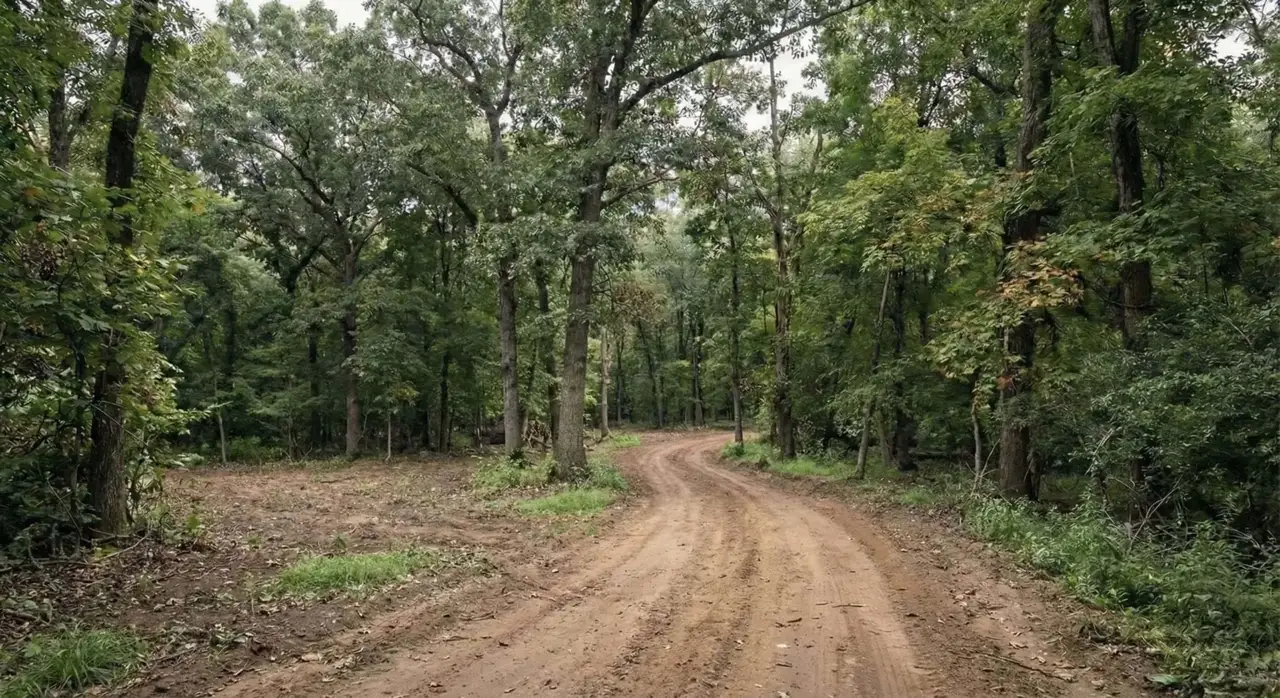
Use traditional tree removal for large individual trees near structures, trees with valuable timber, or when you need the wood removed from the site. Use forestry mulching for clearing brush, small to medium trees, overgrown land, and areas where mulch left on the ground is acceptable. Mulching is faster and cheaper per acre for mass clearing.
They Are Not the Same Thing
People use these terms interchangeably and they should not. Tree removal and forestry mulching are different processes, use different equipment, work at different price points, and are appropriate for different situations. Knowing which one you need saves you money and gets you the right result.
We do both. So this is not a sales pitch for one over the other. It is an honest comparison from a crew that uses both methods every week.
What Traditional Tree Removal Looks Like
Traditional tree removal means felling individual trees with a chainsaw, processing the trunk and limbs (either into logs, firewood, or chips), and removing the material from the site. The stump is either ground out or left, depending on the job.
A tree removal crew typically consists of two to four workers with chainsaws, a chipper for the branches, and a truck or trailer to haul logs and chips. On larger trees near structures, they may use a bucket truck or climbing gear to remove the tree in sections from the top down.
The process is deliberate and controlled. Each tree gets individual attention. The felling direction is planned. Nearby structures, power lines, and other trees are protected. It is skilled, slow, and expensive per tree.
What Forestry Mulching Looks Like
Forestry mulching uses a tracked machine with a rotating drum head covered in carbide teeth. The drum spins at high speed and grinds trees, brush, and stumps into small chips. The machine drives through the vegetation and leaves a layer of mulch on the ground behind it.
One operator runs the machine. No hand crew, no chipper, no hauling. The mulched material stays on the site. For brush and trees up to about 8 inches in diameter, the mulcher handles everything in a single pass. Larger trees may require two passes or need to be felled first before the mulcher processes the brush.
The process is fast. An acre of moderate brush and small trees can be cleared in a few hours. The machine does not discriminate; it grinds everything in its path. That is an advantage for mass clearing and a disadvantage when precision is needed.
When You Need Tree Removal
Large Trees Near Structures
A 30-inch oak 20 feet from your house is not a mulching job. That tree needs to be taken down in a controlled manner by a crew that can direct the fall away from the house, or section it from the top down if there is no room for it to fall. The mulcher cannot handle a tree that size in one pass, and even if it could, you would not want an uncontrolled fall that close to a building.
Any tree within falling distance of a house, garage, barn, fence, or power line should be removed by a tree service with the equipment and skill to control where it goes.
Valuable Timber
Large walnut, white oak, cherry, and other hardwoods have timber value. A healthy walnut tree with a clear trunk can be worth hundreds to thousands of dollars as a saw log. Mulching that tree destroys the timber value entirely. If you have valuable trees on a property you are clearing, it may be worth having a logger or timber buyer assess them before the clearing starts.
We work with property owners on this regularly. On a 10-acre clearing job, there might be 15 to 20 trees worth pulling out as timber. The rest gets mulched. The timber sale offsets some of the clearing cost.
When You Need the Material Removed
Forestry mulching leaves all the material on the ground. For most clearing projects, that is fine or even beneficial. The mulch layer suppresses weeds, retains moisture, and breaks down into the soil over a year or two.
But on construction sites where the ground needs to be graded and compacted, a thick layer of mulch is a problem. Organic material in fill areas decomposes and causes settling. If the lot needs a clean subgrade for foundations, driveways, or utilities, the tree material needs to be removed, not mulched in place.
In those cases, trees are felled and hauled off site (or chipped and hauled), and the clearing area is left as bare dirt ready for grading.
When Forestry Mulching Is the Better Choice
Clearing Large Areas
If you need to clear an acre or more of brush, small trees, and undergrowth, forestry mulching is dramatically faster and cheaper than sending in a hand crew. One mulcher can clear more in a day than a four-person hand crew can clear in a week. The math works out in mulching's favor every time on larger acreage.
Overgrown Fields and Pasture
Old farmland that has grown up with cedars, honeysuckle, and brush is ideal mulching work. The vegetation is typically under 8 inches in diameter, which the mulcher handles easily. Mulching leaves the root systems in the soil, which helps hold the ground together until new grass or crops are established.
Invasive Species Removal
Honeysuckle, multiflora rose, Bradford pear, and other invasives are perfect for mulching. These species are usually small to medium in size, grow in dense stands, and are not worth anything as timber. Mulching grinds them down quickly. The follow-up herbicide treatment on the resprouts handles the root systems.
Trail Creation and Maintenance
Cutting a walking trail or ATV path through wooded property is a natural fit for the mulcher. The machine creates a clear path through brush and small trees in a single pass, leaving a mulched surface that serves as a natural trail bed.
Budget-Conscious Projects
If you need to clear land and cost is a primary concern, mulching almost always wins. The lower labor cost (one operator vs. a crew), the elimination of hauling, and the faster production rate all translate to lower per-acre pricing.
Cost Comparison
| Method | Cost per tree (large) | Cost per acre (clearing) | Time per acre |
|---|---|---|---|
| Traditional tree removal | $300 - $2,000 | $5,000 - $10,000+ | 3-5 days |
| Forestry mulching | N/A (not suitable) | $1,500 - $4,000 | 0.5-1.5 days |
These numbers tell the story. For individual large trees, removal is the only option and it costs accordingly. For clearing acreage of brush and small-to-medium trees, mulching is three to five times cheaper per acre and five to ten times faster.
The per-acre cost for mulching depends heavily on what is on the ground. Light brush with saplings under 4 inches is on the low end. Dense growth with 6-to-8 inch trees is at the top of the range. Trees over 8 inches start pushing beyond what the mulcher can handle efficiently.
When You Need Both
Most clearing projects larger than a couple of acres use both methods. Here is the typical approach:
- Walk the property and identify large trees (over 10 to 12 inches in diameter) that need traditional removal. Also flag any trees with timber value.
- Fell the large trees and remove the trunks. This is done first because it gives the felling crew room to work safely.
- Bring in the mulcher to process the brush, small trees, limbs left from felling, and any other vegetation in the clearing area.
This combination gets the best of both methods. The expensive hand work is limited to the trees that actually require it. The mulcher handles everything else at a fraction of the cost.
On a recent 5-acre job in Boone County, the property had about 30 large trees (mostly oaks and maples in the 18-to-30-inch range) spread across a wooded hillside. A tree service felled and removed the large trunks over two days. We came in with the mulcher and cleared the remaining brush and small trees in a day and a half. The combined cost was about 40 percent less than having the tree service clear the entire 5 acres by hand.
What Happens to the Wood
Tree Removal
With traditional removal, the wood leaves the site. Depending on the tree service:
- Logs may go to a sawmill if they have timber value
- Firewood may be offered to the property owner or sold
- Brush and small limbs are chipped and hauled to a composting facility or landfill
- Stumps are ground and the grindings are left or hauled off
Forestry Mulching
Everything stays on the ground as wood chips. The mulch layer is typically 2 to 4 inches deep after clearing. Over 12 to 18 months, the mulch decomposes and incorporates into the soil. On a recently mulched site, the ground looks like it has been carpeted with wood chips.
Some property owners do not love the look of fresh mulch covering their property. It browns out within a few weeks and grass grows through it within a season, but there is an initial period where the ground looks rough. If appearance matters immediately, traditional removal with material hauling gives you a cleaner look on day one.
Bottom Line
Tree removal is for large individual trees, trees near structures, and situations where the wood needs to leave the site. Forestry mulching is for clearing areas of brush and small trees quickly and affordably. Most larger projects benefit from using both.
Not sure which approach fits your project? Call EarthWorx at (859) 710-6107 or request a free estimate online. We will tell you what makes sense and what it will cost.
Related Services
We Serve These Areas
Tree Removal vs. Forestry Mulching: Which Do You Actually Need? FAQ
For clearing acreage, yes. Forestry mulching costs $1,500 to $4,000 per acre compared to $5,000 to $10,000 or more per acre for traditional tree removal. However, mulching is not suitable for large individual trees or situations where material needs to be removed from the site.
Forestry mulchers handle trees up to about 8 inches in diameter efficiently in a single pass. Trees in the 8 to 12 inch range may require multiple passes. Trees over 12 inches generally need to be felled with a chainsaw first, and then the mulcher can process the remaining brush and limbs.
Yes. All the vegetation is ground into wood chips that stay on the site in a 2 to 4 inch layer. The mulch suppresses weeds, retains moisture, and decomposes into the soil over 12 to 18 months. For construction sites that need a clean subgrade, this is a drawback and traditional removal with hauling may be needed.
Most clearing projects over a couple of acres benefit from both methods. Large trees are felled and removed traditionally, then the mulcher clears the remaining brush and small trees. This combination is typically 30 to 40 percent cheaper than having a tree service clear the entire area by hand.
Forestry mulching is generally easier on the soil than traditional clearing with dozers and excavators. The tracked mulcher distributes its weight across a wide area and does not dig into the ground. The mulch layer left behind protects the soil from erosion and rain impact. On wet or soft ground, any heavy equipment can cause compaction.
Ready to Get Started?
Free on-site estimates for all properties in our service area.
Ready to Clear Your Land?
Get a free, no-obligation estimate for your project. We respond fast and show up on time.
Try our cost calculator · Serving Northern Kentucky, Greater Cincinnati, and Southeast Indiana · 24/7 — Emergency Service Available