
Clearing Land for Horse Property in Kentucky: Pasture, Paddocks, and Trails
How to clear and prepare land for horse property in Kentucky — from pasture establishment and paddock layout to riding trail creation and removing trees toxic to horses.
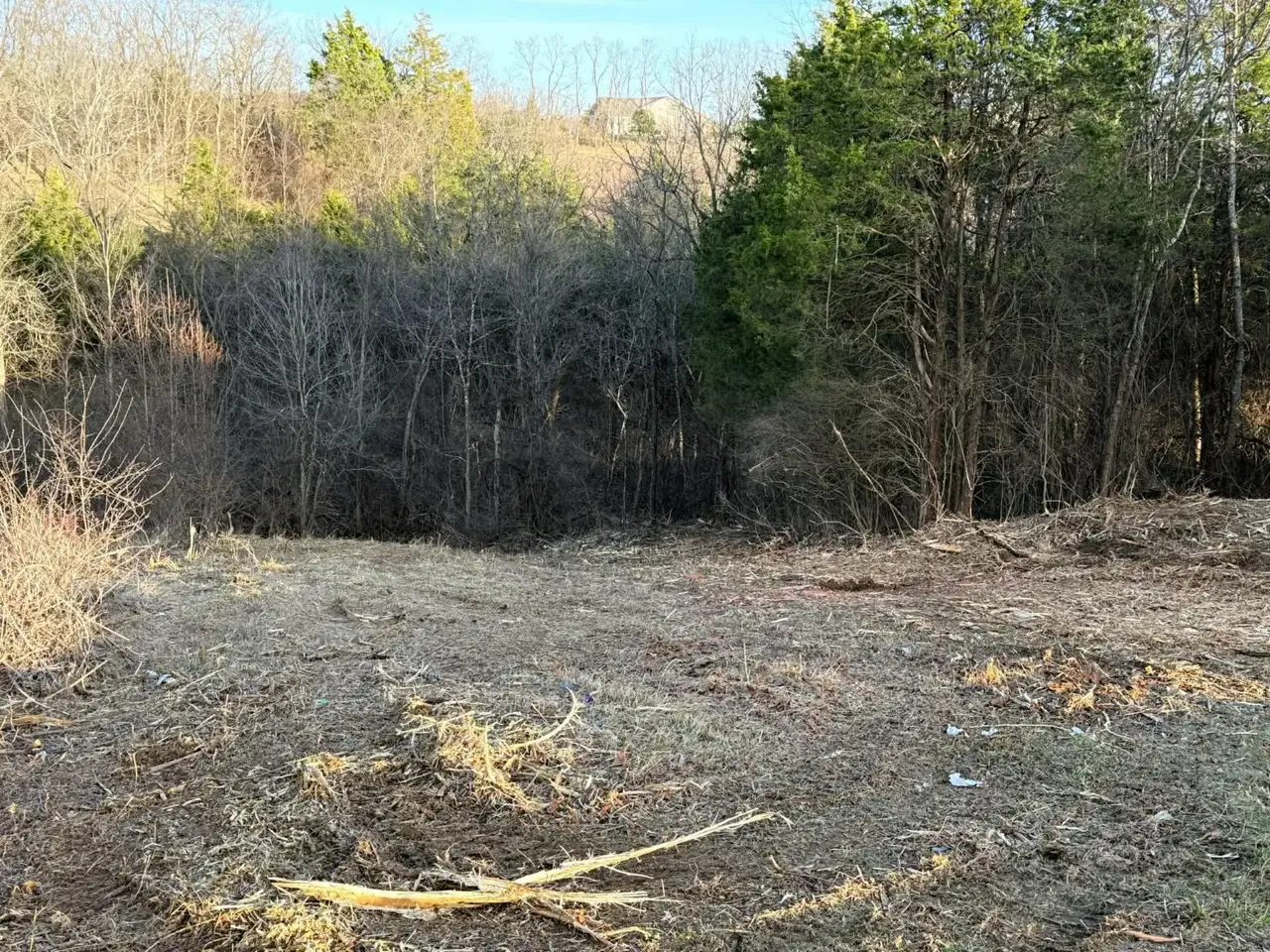
Clearing land for horse property in Kentucky involves pasture reclamation, paddock preparation, fence line clearing, riding trail creation, and removal of toxic trees like red maple and black walnut. Pasture clearing runs $1,500–$3,500 per acre. Trail creation costs $2–$6 per linear foot. Removing toxic species near horse areas is a safety priority that should happen before horses arrive.
Horse Property Is Different
We do a lot of clearing work for horse properties across Central and Northern Kentucky. The work itself — mulching, clearing, grading — is the same equipment and the same process. But the priorities are different when horses are involved, and the details matter more than on a standard farm clearing job.
Horses eat things cattle won't touch. Horses find the one hazard in a 10-acre field. Horses need better footing, better fencing, and better pasture quality than beef cattle. If you're setting up a horse property, whether it's a 5-acre family place in Boone County or a 50-acre breeding operation near Georgetown, the clearing work needs to account for these differences from the start.
Toxic Plants: Clear These First
This is the section that matters most if you have horses. Several common Kentucky trees and plants are toxic to horses, and some are deadly.
Red Maple (Acer rubrum)
This is the big one. Wilted or dried red maple leaves cause severe oxidative damage to horse red blood cells. It takes as little as 1.5 pounds of wilted leaves to kill a horse. Red maple is common throughout NKY — you'll find it in fence rows, woodland edges, and mixed hardwood stands everywhere.
Fresh green leaves are not the problem. The danger is when leaves wilt after a branch breaks, a tree falls, or leaves dry in autumn. A storm knocks a limb into the pasture, the leaves wilt, and a horse eats them. We've had clients in Scott County and Harrison County specifically hire us to remove every red maple within reach of their fence lines.
Our approach: We identify and remove all red maple within the pasture and within one tree-length of the fence line. If a 60-foot red maple is 50 feet from the fence, a storm could drop branches into the pasture. That tree comes out.
Black Walnut (Juglans nigra)
Black walnut produces juglone, a compound that causes laminitis in horses through skin contact — particularly through shavings or sawdust. Black walnut trees themselves growing in or near pasture are a concern because horses may stand in contact with fallen husks and wood. Black walnut wood should never be used in horse stalls or for bedding.
We remove black walnuts from horse pasture areas and flag any near fence lines. If the tree has timber value (many do — walnut is the most valuable hardwood in Kentucky), we recommend having it logged rather than mulched. A 20-inch walnut can be worth $500–$2,000 as a veneer log.
Other Toxic Species
- Wild cherry (Prunus serotina) — Wilted leaves contain cyanide. Same storm-damage risk as red maple. Remove from pastures and fence lines.
- Red oak acorns — Large quantities of acorns can cause kidney damage. A few red oaks in a 20-acre pasture are manageable. A thick stand of red oaks dropping heavy acorn crops into a small paddock is a problem.
- Yew (Taxus) — Extremely toxic, all parts. More common in landscaping than wild, but we've found ornamental yew near old homesteads that are now horse pastures.
- Privet and honeysuckle — Mildly toxic in large quantities. More of a pasture quality issue than a toxicity emergency.
Pasture Preparation
Good horse pasture starts with good clearing. Here's how we approach pasture prep for horse properties.
Remove all woody vegetation. Trees, brush, and stumps in the pasture area get mulched. We leave the mulch layer on the ground — it's beneficial for soil health as it decomposes.
Selective tree preservation. Shade trees in pasture are valuable for horses, but they need to be the right species. We'll keep mature trees that are non-toxic and structurally sound. White oak, hickory, and tulip poplar are good shade trees for horse pasture. We do not keep any trees on the toxic list.
Fence line prep. We clear 10–15 feet on each side of planned fence lines. This gives you working room for installation and keeps vegetation from growing into the fence. Horse fencing costs $5–$12 per linear foot installed, so you want your fence line clear and accessible.
Cost for pasture clearing: $1,500–$3,500 per acre depending on vegetation. Most horse properties we work on are in the $2,000–$3,000 per acre range because the land has been idle for a while and has a mix of brush and medium trees.
Paddock Layout and Prep
Paddocks need more than just clearing. They need to be relatively level with good drainage. Horses standing in mud develop hoof problems — thrush, abscesses, white line disease.
For paddock areas, we:
- Clear all vegetation
- Remove stumps below ground level (horses trip on stumps and can injure legs)
- Grade for drainage so water moves to the low end and doesn't pond
- Install a gravel base at gate areas where traffic is concentrated
Gate areas and high-traffic zones around water troughs are where mud problems are worst. A 12x12-foot gravel pad at each gate costs $300–$600 to install and saves thousands in hoof care and lost use of the paddock during wet months.
In our experience, the single best investment on a horse property is proper drainage in the paddocks. Good grading during the initial clearing phase prevents years of mud management headaches.
Riding Trail Creation
This is one of the more enjoyable jobs we do. Creating riding trails through wooded areas on horse properties is satisfying work with an immediate payoff.
We cut trails 8–12 feet wide — enough for a horse and rider with room to spare. On trail systems where you want two-way traffic, we go to 12–16 feet. The mulcher clears everything in the trail path and leaves a smooth, packed-mulch surface that's comfortable for hooves.
Trail creation costs: $2–$6 per linear foot depending on vegetation density and terrain. A mile of trail through moderate woods runs about $10,000–$25,000. That sounds like a lot, but a well-designed trail system adds significant value to a horse property and provides years of use.
Trail Design Considerations
- Avoid steep grades over 15%. Horses can handle moderate slopes, but steep grades are hard on legs and cause trail erosion.
- Cross-slope trails need drainage. Water running down a trail erodes the surface fast. We install water bars — shallow diagonal ditches — every 50–75 feet on sloped sections.
- Bridge or ford creek crossings. Don't route the trail through a muddy creek bottom if you can avoid it. A simple timber bridge or a rock ford at a hard-bottom crossing point is worth the investment.
- Width consistency matters. Narrow spots where brush grows in from the sides spook horses. We clear generously and set up the trail for easy maintenance mowing.
Seasonal Timing for Horse Property Work
Best time: Late fall and winter. Same reasons as general farm mulching — firm ground, no leaves, better visibility. But horse properties have an additional factor: most horse owners want everything ready for spring and summer riding season. Clearing in November through February gives you time to seed pastures and have them established before horses go out in spring.
If you're buying a property and plan to move horses in by April or May, start the clearing conversation in September or October. Don't wait until February and expect everything to be ready by April — the seeding alone needs time.
Full Horse Property Cost Example
Here's a real example from a 12-acre property near Georgetown that we prepped for a small boarding operation.
| Work Item | Quantity | Cost |
|---|---|---|
| Pasture clearing (8 acres) | 8 acres | $18,000 |
| Toxic tree removal (red maple, cherry) | 15 trees | $2,200 |
| Fence line clearing | 4,200 linear ft | $18,500 |
| Paddock grading (4 paddocks) | 2 acres | $6,000 |
| Gate area gravel pads (4) | 4 pads | $2,000 |
| Riding trail creation | 2,600 linear ft | $11,500 |
| Total | $58,200 |
That was a substantial project. A smaller 5-acre family horse property with basic pasture clearing and fence line work might run $12,000–$20,000 total.
Working with Your Fencer and Barn Builder
We like to coordinate with your fencing contractor and barn builder when possible. If the fence crew is coming two weeks after we finish, we can make sure the fence line is exactly where they need it and that the post locations are accessible. Same with barn builders — we can grade the barn pad and access lane as part of our scope.
Bring everyone into the conversation early. A 15-minute call between your clearing contractor, fencer, and barn builder prevents a lot of re-work.
Start Your Horse Property Right
Call us at (859) 710-6107 to walk your property and plan the clearing work. We've done horse properties from Boone County to Scott County to Harrison County. We know the toxic plants, we understand the drainage requirements, and we'll set up your pasture, paddocks, and trails to work from day one.
Related Services
We Serve These Areas
Clearing Land for Horse Property in Kentucky: Pasture, Paddocks, and Trails FAQ
Red maple is the most dangerous — wilted leaves can kill a horse. Black walnut causes laminitis through contact with wood and husks. Wild cherry has cyanide in wilted leaves. Red oak acorns in large quantities cause kidney damage. All of these species are common in Kentucky and should be removed from horse pastures and fence lines.
Pasture clearing for horse property runs $1,500–$3,500 per acre in Central and Northern Kentucky. Most horse property jobs fall in the $2,000–$3,000 per acre range. Add fence line clearing at $3–$8 per linear foot and paddock grading at $2,500–$4,000 per acre for a complete estimate.
Single-track riding trails should be 8–12 feet wide for comfortable passage. Two-way traffic trails need 12–16 feet. Consistent width is important because narrow spots where brush encroaches can spook horses. Trail creation costs $2–$6 per linear foot depending on vegetation and terrain.
Late fall through winter (November–February) is ideal. The ground is firm, visibility is better, and you have time to seed pasture in the following fall for spring establishment. If you plan to move horses in by April, start clearing conversations in September or October.
Proper grading during initial site prep is the most effective prevention. Grade paddocks so water drains to the low end without ponding. Install gravel pads at gate areas and water troughs where traffic is concentrated. A 12x12-foot gravel pad at each gate costs $300–$600 and prevents the worst mud problems.
Ready to Get Started?
Free on-site estimates for all properties in our service area.
Ready to Clear Your Land?
Get a free, no-obligation estimate for your project. We respond fast and show up on time.
Try our cost calculator · Serving Northern Kentucky, Greater Cincinnati, and Southeast Indiana · 24/7 — Emergency Service Available