
Land Clearing in Cincinnati, Ohio: A Local Guide
Cincinnati is a city of hills, river bluffs, and honeysuckle-choked lots, and that shapes every clearing job here. Here is what to know before you start.
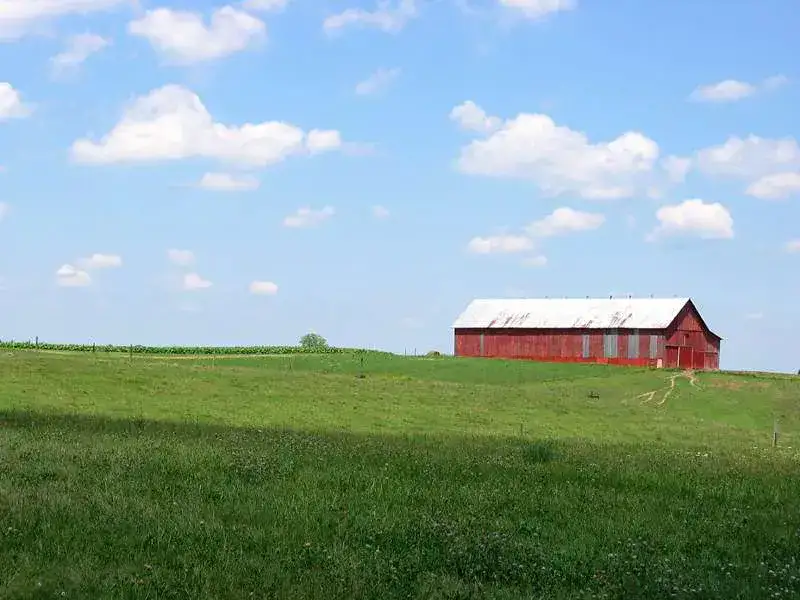
Land clearing in Cincinnati, Ohio typically runs $2,000 to $6,500 per acre, with steep hillside lots pushing higher because the work is slower and more careful. Any project that disturbs one acre or more needs coverage under Ohio EPA's construction stormwater (NPDES) permit and an erosion control plan, and lots on the city's protected hillsides can trigger Hillside Overlay review. Forestry mulching is usually the fastest, lowest-impact way to clear the wooded slopes and honeysuckle-choked lots common around Cincinnati, and it finishes most residential lots in one to two days.
Need this handled on your property? Free on-site estimate.
What Makes Land Clearing in Cincinnati Different?
Cincinnati is a city built on hills. The Ohio River cut the valley, the Mill Creek splits the west side from the east, and everything else rises up in the ridges and bluffs the city is known for. That terrain shapes almost every clearing job we do inside the city and around the first ring of suburbs. You are rarely working a flat, open field here. You are working a wooded slope behind a house, an overgrown infill lot between two streets, or a bank that has filled in solid with brush.
The other thing you learn fast working Cincinnati ground is honeysuckle. Bush honeysuckle has taken over the hillsides, the park edges, and half the vacant lots in the county. A parcel that looked like open woods twenty years ago is now a wall of green you cannot walk through. A lot of what we clear in the city is really honeysuckle removal with some trees mixed in.
We are a Northern Kentucky crew, but the river is a short hop and we work the Ohio side often. Our Hamilton County land clearing guide covers the broader county and the rural townships. This one stays focused on the city itself and the close-in neighborhoods.
What Land Clearing Jobs Are Common in Cincinnati?
The work sorts out by what the lot looks like and what somebody wants to do with it.
Wooded Hillside and Bluff Lots
So much of Cincinnati sits on a slope. Neighborhoods like Mt. Adams, Price Hill, College Hill, and Mt. Airy back up to steep wooded ground, and folks want a view opened, a yard reclaimed, or brush pulled back off the house. Hillside work is careful work. You have to take the growth without tearing up the slope, because these hills slide when you strip them bare. Our guide to steep hillside clearing in Cincinnati goes deeper on how we handle the grade.
Overgrown Infill and Urban-Edge Lots
The city is full of small parcels that grew up while nobody was using them. A vacant lot between two houses, a back half-acre that turned into jungle, a corner someone bought to build on. We clear those down to usable ground, leave what is worth keeping, and grind the stumps so the lot is ready for a builder or a mower.
Honeysuckle and Invasive Takeovers
This is the big one in Cincinnati. A honeysuckle removal job usually means grinding an acre or more of dense invasive brush back down to the ground so the native trees have light again and you can actually see and use the property. A mulcher handles this far better than a crew with chainsaws and a chipper.
Storm-Damaged Slopes and Yards
Cincinnati gets its share of wind and ice, and a big tree coming down on a hillside makes a mess that is hard to reach. We clear the downed wood, grind the debris, and get the bank stable again. Our storm cleanup crew runs these year round.
Should You Use Forestry Mulching or Traditional Clearing in Cincinnati?
For most Cincinnati lots, especially anything on a slope or full of honeysuckle, forestry mulching is the better tool. A mulcher grinds standing trees and brush into a layer of chips right where they stand. No burning, no hauling, no debris pile blocking a narrow city lot, and the chips and root mat stay put to hold the ground.
Traditional land clearing with a dozer still has its place when you need stumps and roots pulled for a foundation, or when dirt has to move for a building pad. Here is how the two stack up on a typical Cincinnati job:
| Factor | Forestry mulching | Dozer clearing |
|---|---|---|
| Speed (residential lot) | 1-2 days | 3-5 days |
| Debris removal | None, chips stay on site | Hauling or burning required |
| Works on steep hillsides | Yes, low ground disturbance | Risky, destabilizes the slope |
| Erosion and landslide risk | Low | Higher |
| Best for | Brush, honeysuckle, saplings, wooded lots | Stump removal, grading, building pads |
Honest take from Bill: on a Cincinnati hillside I almost always run the mulcher, and the reason is the slope itself. These hills are slip-prone to start with, and the fastest way to end up with a mudslide in your neighbor's yard is to scrape a bank down to bare dirt and wait for a hard rain. Grinding the brush in place and leaving the roots to hold the hill keeps you out of trouble. When you are cutting a building pad into that hill, a dozer is the right call and I will tell you so. Everywhere else, mulching wins here.
Why Is Honeysuckle Such a Problem on Cincinnati Land?
Bush honeysuckle, sometimes called Amur honeysuckle, is the invasive that took over Greater Cincinnati. It leafs out earlier than everything native and drops its leaves later, so it steals the light all season and shades out the young oaks, maples, and wildflowers that should be coming up underneath. Left alone it forms a solid thicket you cannot walk through, and it does it fast.
On a clearing job, honeysuckle changes the plan. A property that reads as open woods in a listing photo is often choked wall to wall once you walk it. We grind the honeysuckle down to the ground with the mulcher, which lets us clear a lot of ground in a day and leaves a mulch layer that slows the regrowth. Cutting it by hand barely makes a dent, and it comes right back from the stump. For a fuller rundown, see our honeysuckle removal guide.
Do You Need a Permit to Clear Land in Cincinnati?
Cincinnati is Ohio, so the rules are different from the Kentucky side of the river. Know what applies before equipment shows up.
- State erosion permit at one acre: Any earth-disturbing activity of one acre or more needs coverage under Ohio EPA's construction stormwater general permit (an NPDES permit) along with an erosion and sediment control plan. That threshold is set by the state.
- Hillside Overlay District: The city protects its steep slopes through a Hillside Overlay. Lots inside it can face extra review of grading, tree removal, and slope disturbance, so a hillside project is worth checking against the zoning before you start.
- City permits and inspections: Cincinnati's Department of Buildings and Inspections handles zoning and grading permits inside city limits. Clearing tied to a new build or a lot split usually pulls in a permit.
- Stormwater and creeks: The Metropolitan Sewer District of Greater Cincinnati and the county handle stormwater. Clearing near a creek, a ravine, or a floodplain can trigger buffer rules.
- Trees in the right-of-way: Street trees and trees on the public right-of-way are protected. Anything on your own lot has more leeway, but it is worth knowing where the line falls.
We clear on the Ohio side often enough to know when a permit gets triggered, and we can point you to the right city office or an engineer who draws the plan.
Why Cincinnati’s Hillsides Change How We Clear
Cincinnati's hills are famous for sliding. The ground is a mix of clay and loose material sitting on shale, and once you take away the roots holding it together, a slope that stood for decades can let go in one wet spring. That is not a scare story. It is the reason the city regulates hillside work as tightly as it does.
So on any graded or wooded slope, we lean on mulching and selective clearing instead of a full scrape. Leaving the root mat and a blanket of chips in place holds the hill and soaks up the rain. We also watch the weather. Running tracked equipment across a saturated clay slope tears it up and invites the exact slide everyone is trying to avoid, so in a wet stretch we will push a job back a week to let the ground firm up.
What Does Land Clearing Cost in Cincinnati?
Price comes down to what is on the ground, how steep the lot is, and how easy it is to get equipment to it. City lots with tight access run a little higher than open ground. These are the ranges we typically see:
| Project type | Typical cost range |
|---|---|
| Light brush / lot cleanup (per acre) | $1,500 - $3,500 |
| Wooded residential lot (0.5-1 acre) | $3,000 - $6,500 |
| Steep hillside clearing (per acre) | $4,000 - $8,000 |
| Honeysuckle mulching (per acre) | $2,000 - $4,000 |
| Stump grinding (per stump) | $75 - $250 |
Steep, wooded hillside lots sit at the top of the range because the work is slow and careful. Open, level ground with easy access sits at the bottom. For a fuller breakdown of what moves the number, see our guide to land clearing cost per acre.
How Do You Choose a Cincinnati Land Clearing Company?
A few things worth checking before you hire anyone for a job in the city:
- They understand hillsides. Ask how they keep a slope stable. A crew that wants to scrape a Cincinnati bank bare does not understand the ground they are on.
- They know the Ohio rules. An honest contractor can tell you when the one-acre Ohio EPA permit applies and whether your lot sits in the Hillside Overlay.
- They carry insurance. Get proof of liability coverage before anyone runs a machine, especially on a slope above a neighbor.
- They give a written scope. What gets cleared, what stays, and whether stumps are included should be on paper before work starts.
- They match the machine to the job. A crew that only owns a big dozer will push a dozer on a lot that called for a mulcher.
EarthWorx clears and mulches across Cincinnati and the Greater Cincinnati area, from the hillside neighborhoods in the city out through Loveland and West Chester. If you have a wooded lot, an overgrown parcel, or a honeysuckle-choked hillside you want handled, reach out for a walk-through and a straight quote.
We Serve These Areas
Related Articles
Forestry Mulching vs. Traditional Land Clearing: Which Is Better for Your Property?
A head-to-head comparison of forestry mulching and traditional land clearing. We break down cost, speed, soil impact, and which method wins for different property types.
8 min read readForestry Mulching vs. Bulldozing: Cost, Speed, and Results Compared
A direct comparison of forestry mulching and bulldozing for land clearing. Costs, timelines, soil damage, and honest advice on which method fits your project.
7 min read readForestry Mulching vs. Brush Hogging: When to Use Each Method
Brush hogging and forestry mulching handle different problems. Here is when each method makes sense, what they cost, and where one clearly beats the other.
6 min read readLand Clearing in Cincinnati, Ohio: A Local Guide FAQ
For projects that disturb less than one acre you usually do not need a state stormwater permit, though city zoning, Hillside Overlay review, and creek buffers can still apply. Once you disturb one acre or more, you need coverage under Ohio EPA's construction stormwater (NPDES) permit and an erosion control plan. Hillside lots inside the city's Hillside Overlay District can face extra grading and tree-removal review, so it is worth checking your zoning before you start.
Most Cincinnati land clearing runs $2,000 to $6,500 per acre, with steep hillside lots reaching $8,000 an acre or more because the work is slower and more careful. Tight city lots with limited access price higher than open, level ground, and honeysuckle mulching typically falls in the $2,000 to $4,000 per acre range.
Yes, and it is one of the most common jobs we run in the city. A forestry mulcher grinds dense bush honeysuckle down to the ground and leaves a mulch layer that slows the regrowth, all without stripping the slope bare. On a hillside that low-disturbance approach matters, because it clears the invasive while keeping the roots that hold the hill in place.
In most cases, yes. Tracked mulching machines handle grades that would be unsafe for other equipment, and because they grind growth in place instead of pushing it downhill, they leave the slope far more stable than a dozer would. Very steep or unstable banks still get a walk-through first, and some situations call for selective hand work near the top of the grade.
Yes. A lot of our Cincinnati work is single infill lots and back half-acres that grew up in brush and honeysuckle. A compact mulcher fits tight urban access, grinds the growth in place so there is no debris pile blocking the street, and leaves the lot ready for a builder or a mower.
Ready to Get Started?
Free on-site estimates for all properties in our service area.
Ready to Clear Your Land?
Get a free, no-obligation estimate for your project. We respond fast and show up on time.
Try our cost calculator · Serving Northern Kentucky, Greater Cincinnati, and Southeast Indiana · 24/7 — Emergency Service Available